



How Humidity Affects Your HVAC System in Calvert County

August 3, 2026

Share this article

Humidity forces your HVAC system to work harder by requiring it to remove excess moisture while simultaneously cooling the air. In Calvert County’s humid climate, high moisture levels can lead to increased energy bills, mechanical strain, and mold growth, potentially shortening your unit's lifespan and reducing overall indoor comfort.

What happens to your HVAC system when humidity is high?

When we talk about summer in Southern Maryland, we aren't just talking about the heat; we are talking about that thick, heavy air that makes you feel like you're walking through a sauna. Your air conditioner has two primary jobs: lowering the temperature and removing moisture. These two processes happen at the same time, but when humidity levels soar, the moisture removal process takes center stage, often at the expense of efficiency.

Inside your indoor unit, there is an evaporator coil filled with cold refrigerant. As the blower fan pulls warm, humid air from your home over this coil, the moisture in the air condenses into liquid water—much like beads of sweat forming on a cold glass of iced tea. This water drips into a condensate pan and is drained away. However, if the air is excessively humid, the system must run for longer cycles to pull enough water out to make the air feel comfortable.

This creates a significant mechanical burden. Because the system is running longer, every component—from the compressor to the fan motor—experiences more wear and tear. If your system is already older or hasn't had a recent tune-up, this extra work can be the tipping point that leads to a breakdown. For residents in the region, understanding this balance is crucial for maintaining long-term system health. You can learn more about local specificities on our Calvert County heating and air conditioning page.

The relationship between moisture and cooling efficiency

There is a specific term in the HVAC world for the energy used to remove moisture: latent cooling. The energy used to actually lower the temperature is called sensible cooling. In a perfect world, your system balances these two efficiently. However, when humidity is high, a larger percentage of your system’s capacity is dedicated to latent cooling. This means it takes much longer for the "sensible" temperature on your thermostat to actually drop.

Homeowners often notice that even if the thermostat says 72 degrees, the house feels "sticky" or "stuffy." This is because the relative humidity remains high. When humans sweat, the evaporation of that sweat off our skin is what cools us down. If the air is already saturated with water, that evaporation can't happen, making us feel much warmer than the actual temperature. To combat this, many people lower their thermostats even further, forcing the AC to work even harder and driving up electricity costs in the process.

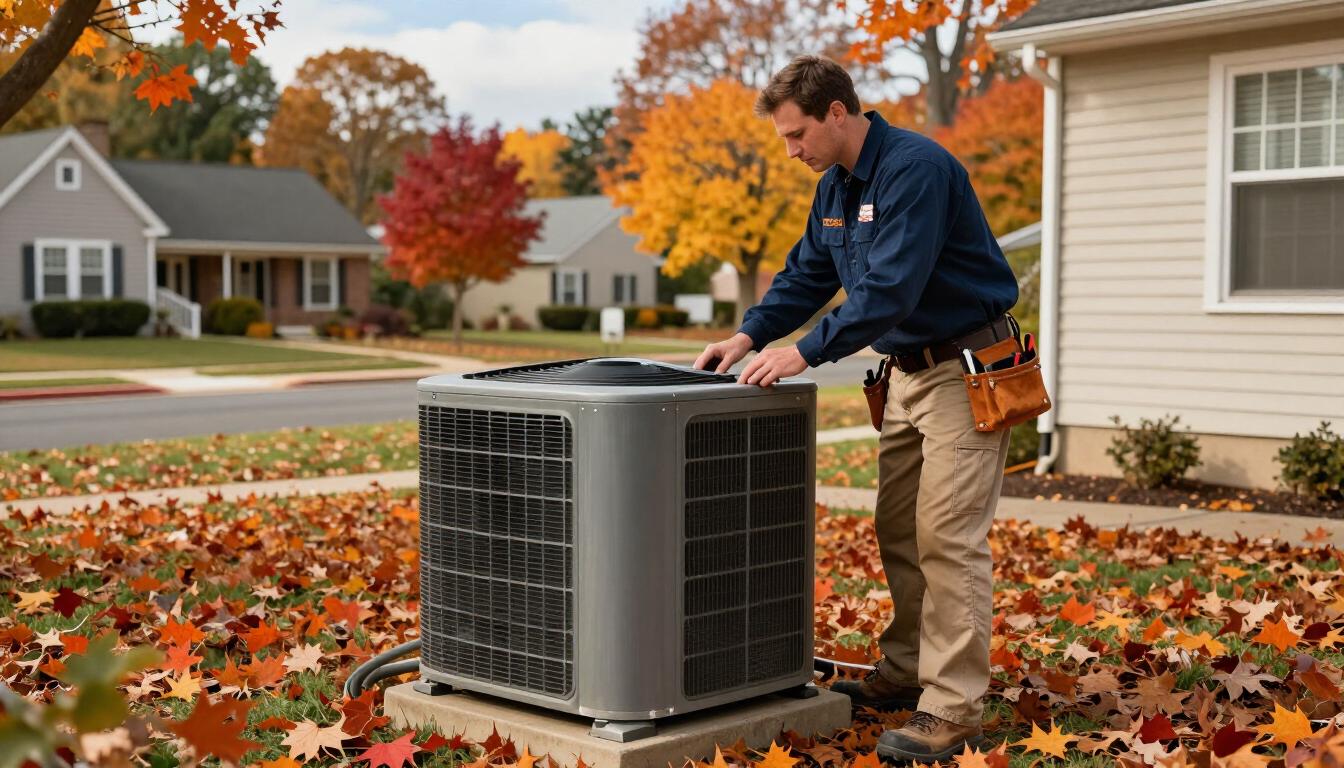
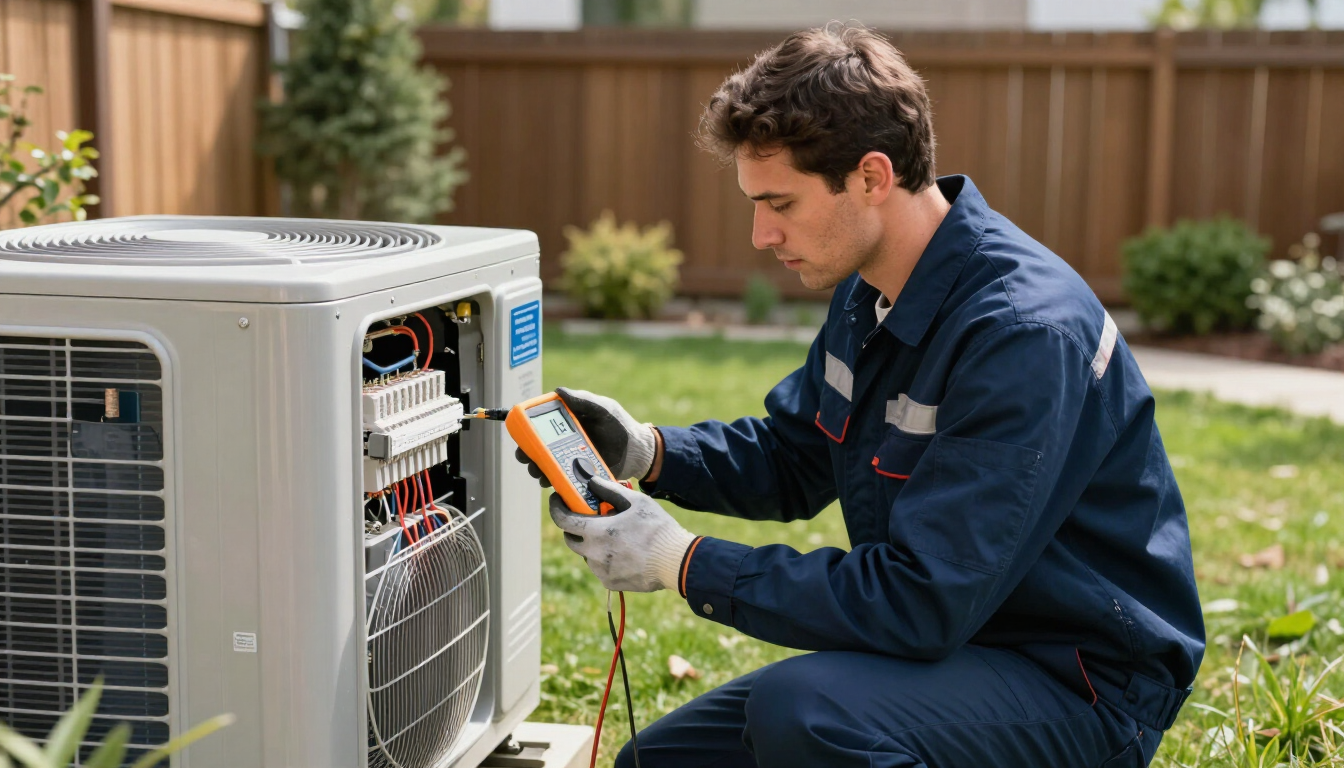
HVAC technician inspecting unit

Why does Calvert County's climate affect HVAC performance?

Calvert County is uniquely situated with the Chesapeake Bay to the east and the Patuxent River to the west. This proximity to large bodies of water means our air is almost always holding a high amount of water vapor, especially during the peak of summer. While inland areas might deal with dry heat, Southern Maryland homeowners are constantly fighting the "humidity creep."

Local systems face unique challenges:

  • Salt air near the coast can accelerate the corrosion of outdoor coils.
  • High nighttime humidity prevents the system from "resting" during off-hours.
  • Frequent thunderstorms cause rapid spikes in humidity levels.
  • Older homes in the area may have original ductwork not designed for modern moisture loads.

Because of these factors, a standard "one-size-fits-all" approach to HVAC doesn't work here. You need a system that is specifically sized and calibrated for the Maryland climate. If you are noticing that your current unit can't keep up with the summer mugginess, it might be time to look into a more robust HVAC installation plan that accounts for these local environmental stressors.

Common signs of humidity-related HVAC strain

It isn't always obvious that humidity is the culprit behind your discomfort. Often, homeowners assume their AC is just "getting old," when in reality, it is simply overwhelmed by moisture. Recognizing the warning signs early can save you from a total system failure during a July heatwave.

If you notice these symptoms, your system is struggling:

  • Window condensation or fogging on the inside of your glass.
  • A persistent "musty" or damp smell coming from your vents.
  • Clammy or sticky skin while sitting indoors.
  • The outdoor unit running constantly without reaching the set temperature.
  • Visible mold or mildew growth near registers or on the ceiling.

These signs indicate that your indoor air quality is suffering. High humidity isn't just a comfort issue; it's a health and property issue. Excess moisture can warp wood flooring, peel wallpaper, and create a breeding ground for dust mites and mold spores. If you detect these issues, it is wise to schedule an HVAC repair diagnostic to ensure your condensate drain isn't clogged and your refrigerant levels are correct, as both can hinder moisture removal.

How can you lower indoor humidity levels?

While your HVAC system is your primary defense against moisture, there are several steps you can take to assist it. Reducing the "latent load" on your air conditioner allows it to focus more on cooling the air, which can lower your energy bills and extend the life of your equipment. A few simple changes in how you use your home can make a significant difference.

Consider these practical tips:

  • Use exhaust fans in the kitchen and bathrooms to vent steam outside.
  • Avoid boiling large pots of water or washing clothes during the hottest parts of the day.
  • Ensure your clothes dryer is properly vented to the outdoors.
  • Keep windows and doors tightly sealed when the AC is running.
  • Check that your ductwork services are up to date, as leaky ducts can pull humid air from crawlspaces into your home.

Another advanced solution is the installation of a variable-speed air handler. Traditional systems are either "on" or "off." Variable-speed systems can run at lower speeds for longer durations, which is actually better for humidity removal because the air spends more time in contact with the cold evaporator coil, allowing more moisture to condense and drain away.

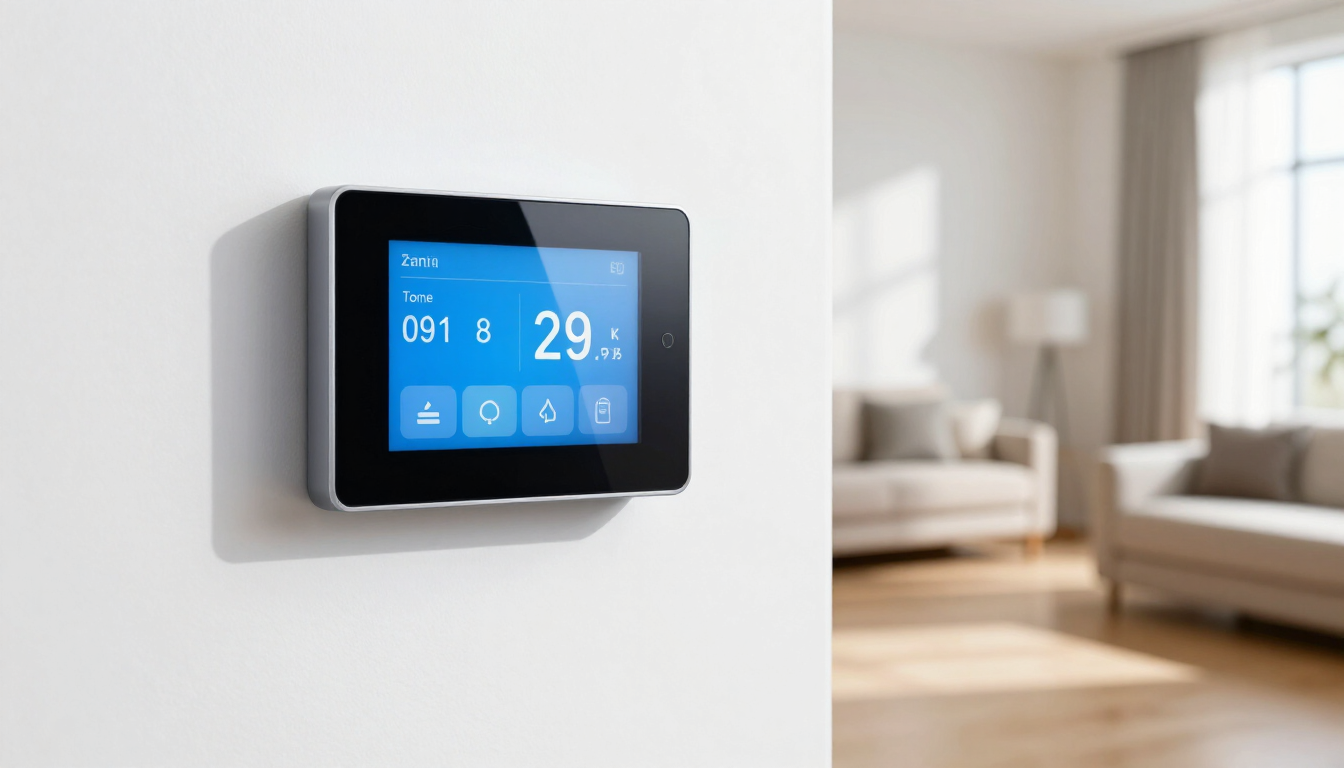
Modern thermostat in a home

The role of regular HVAC maintenance in moisture control

Preventative maintenance is the single most effective way to ensure your system can handle a Calvert County summer. A dirty system is an inefficient one. When dust and grime build up on your evaporator coils, they act as an insulator, preventing the refrigerant from effectively absorbing heat and moisture. This causes the system to work twice as hard for half the result.

During a professional maintenance visit, a technician will clean the coils, check the condensate line for blockages, and ensure the blower motor is operating at the correct speed. They will also inspect the refrigerant charge. If the refrigerant is low, the coil won't get cold enough to properly condense moisture, leaving your home feeling swampy even if the air blowing out of the vents feels somewhat cool. For peace of mind, many local homeowners opt for maintenance agreements to ensure their systems are checked twice a year.

Does your HVAC system need a whole-home dehumidifier?

Sometimes, even a perfectly maintained air conditioner isn't enough to tackle the extreme humidity of Southern Maryland. This is especially true during the "shoulder seasons" of spring and fall, when it might be 75 degrees and 90% humidity. In these conditions, your AC won't run long enough to remove moisture because the temperature goal is reached too quickly. This results in a house that is cool but damp.

A whole-home dehumidifier works in conjunction with your HVAC system to pull moisture out of the air independently of the cooling cycle. It is installed directly into your ductwork and can be set to a specific humidity percentage (ideally between 45% and 55%). This ensures year-round comfort and protects your home from the damaging effects of wood rot and mold. If you have a finished basement or a crawlspace, this is often a necessary addition to your home comfort suite.

For those living in smaller spaces or additions, mini splits ductless units are another excellent option. These systems often have highly sophisticated "dry modes" specifically designed to remove moisture without drastically lowering the temperature, making them perfect for sunrooms or converted garages where humidity tends to pool.

Key Takeaways for Calvert County Homeowners

Managing humidity is just as important as managing temperature when it comes to home comfort in Calvert County. By understanding how moisture affects your HVAC system, you can take proactive steps to protect your investment and keep your family comfortable. Remember that a system that struggles with humidity will inevitably face a shorter lifespan and higher operational costs. Regular cleaning, proper home habits, and potentially adding specialized dehumidification equipment are the best ways to combat the Maryland mugginess.

  • Prioritize Maintenance : Clean coils and clear drains are essential for moisture removal.
  • Monitor Humidity : Keep indoor levels between 45-55% to prevent mold and discomfort.
  • Check Ducts : Ensure humid air isn't leaking in from unconditioned spaces.
  • Upgrade if Necessary : Consider variable-speed units or whole-home dehumidifiers for maximum control.
  • Seek Local Experts : Use a company that understands the unique Southern MD heating and cooling services landscape.

If you're feeling the stickiness this summer, don't wait for your system to fail. Contact Assured Comfort Services, LLC today to evaluate your indoor air quality and ensure your HVAC system is ready to handle whatever the Maryland climate throws its way.

Ready to be comfortable in your home?


Licensed, insured & veteran-owned. Serving Southern Maryland, Anne Arundel & Southern PG County.

Free Consultation — NO Obligation

Assured Comfort Services is Waiting to Hear From You


Recent Posts

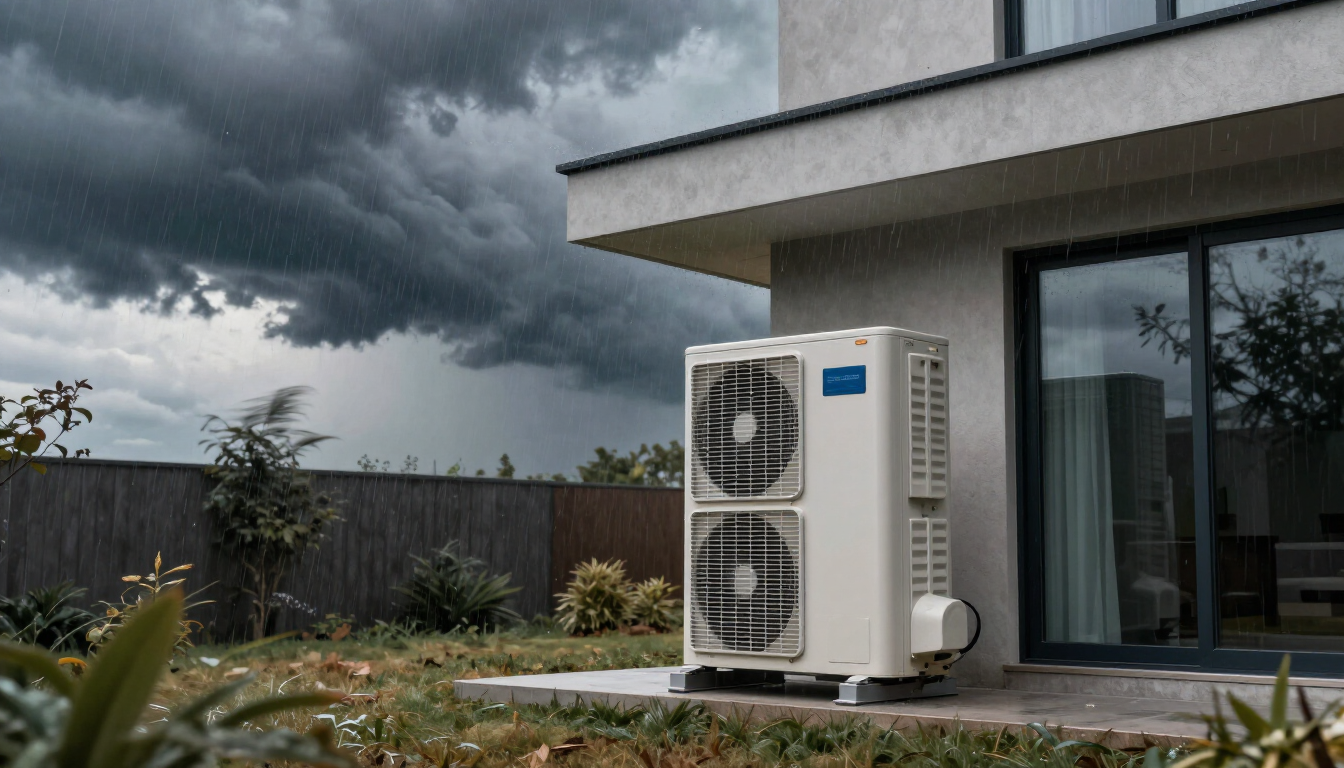
A modern HVAC unit secured against an approaching storm in Southern Maryland.
August 4, 2026
Learn how to protect your home and equipment with our expert guide on hurricane HVAC preparation for Southern Maryland. Prevent storm damage today.
HVAC Thermostat Warning Signs and AC Maintenance
August 1, 2026
Don't get stuck in the heat! Discover the top warning signs that your AC unit is about to fail during a Southern Maryland summer and when to call for professional HVAC help.
Professional HVAC technician inspecting residential ductwork in an attic.
July 10, 2026
Learn why your ductwork is the backbone of your HVAC system. Discover signs of leaky ducts, repair tips, and how to improve air quality in Southern Maryland.

Modern clean home interior representing high indoor air quality
July 10, 2026
Learn why indoor air quality is vital for health, reducing pollutants, allergies, and respiratory risks. Improve your home's air with expert tips today.
A sleek ductless mini split unit installed in a modern home.
July 10, 2026
Learn what a ductless mini split is, how it works, and the top 5 scenarios where choosing a mini split is better than traditional HVAC for Southern MD homes.
Professional HVAC technician working on a commercial heating and cooling system.
July 10, 2026
Ensure your Southern MD business stays comfortable and efficient with professional commercial HVAC maintenance. Protect your investment and prevent costly downtime.
Professional HVAC technician performing preventive maintenance on an outdoor unit.
June 17, 2026
HVAC preventive maintenance is essential for efficiency and longevity. Discover the benefits of hiring a professional HVAC contractor in Southern Maryland.
A well-maintained air conditioning unit in a residential backyard.
May 28, 2026
Prepare your Southern MD home for summer heat with comprehensive HVAC summer prep guide. Learn expert maintenance tips to improve efficiency and comfort.
New high-efficiency HVAC unit installed at a Southern Maryland home.
May 28, 2026
Discover how a new HVAC unit reduces energy bills & repair costs. Expert advice for Southern MD homeowners on the financial benefits of HVAC installation.
10 HVAC Maintenance Tips to Save Money | Assured Comfort Services
By Deborah Naugle May 28, 2026
Keep your home comfortable all year with these simple HVAC maintenance tips. Filter changes to annual tune-ups, Learn to prevent breakdowns in Southern MD