



How to Prepare Your HVAC for Hurricane Season (2026)
To achieve proper Hurricane HVAC Preparation , shut off the electrical power at the breaker to prevent surges, secure the outdoor unit with hurricane-rated straps, and clear all debris within ten feet. Covering the unit during the storm helps block flying objects, while elevating systems prevents costly flood damage.
Living in Southern Maryland means we are no stranger to the unpredictable whims of the Atlantic hurricane season. From Calvert County down to St. Mary’s, the combination of high winds, torrential rain, and potential flooding can wreak havoc on your home’s most expensive appliance: your heating and cooling system. Whether you rely on a heat pump, a traditional air conditioner, or a modern ductless system, the steps you take before the clouds darken can determine whether you face a simple reboot or a complete HVAC Repair bill afterward.
At Assured Comfort Services, LLC, we have spent over 40 years helping our neighbors navigate these seasonal challenges. We understand that your comfort isn't just about temperature; it’s about the peace of mind that comes from knowing your equipment is protected. Hurricane preparation isn't just about plywood on the windows; it’s about a comprehensive strategy for your mechanical systems. By following a few expert-led steps, you can significantly reduce the risk of structural damage, electrical failure, and interior moisture issues that often follow major Maryland storms.
How do I protect my AC unit from hurricane winds?
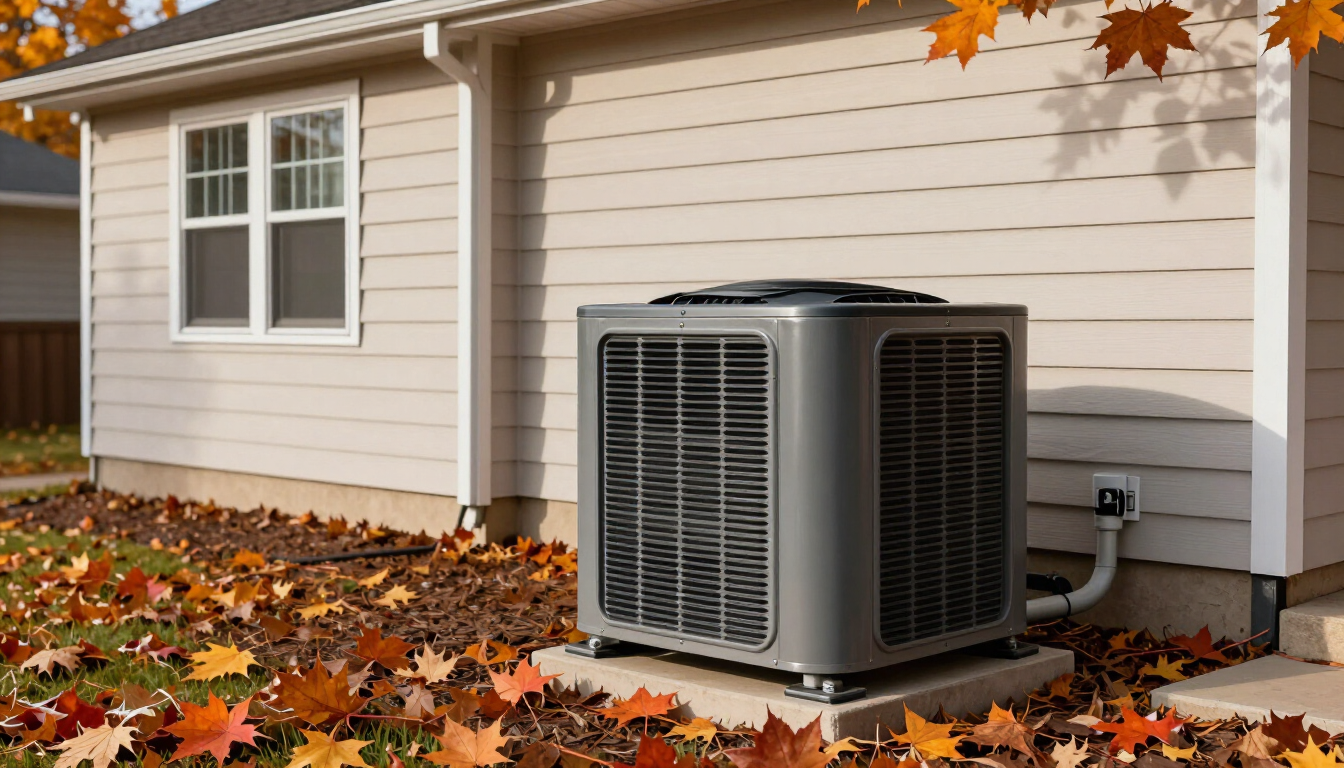
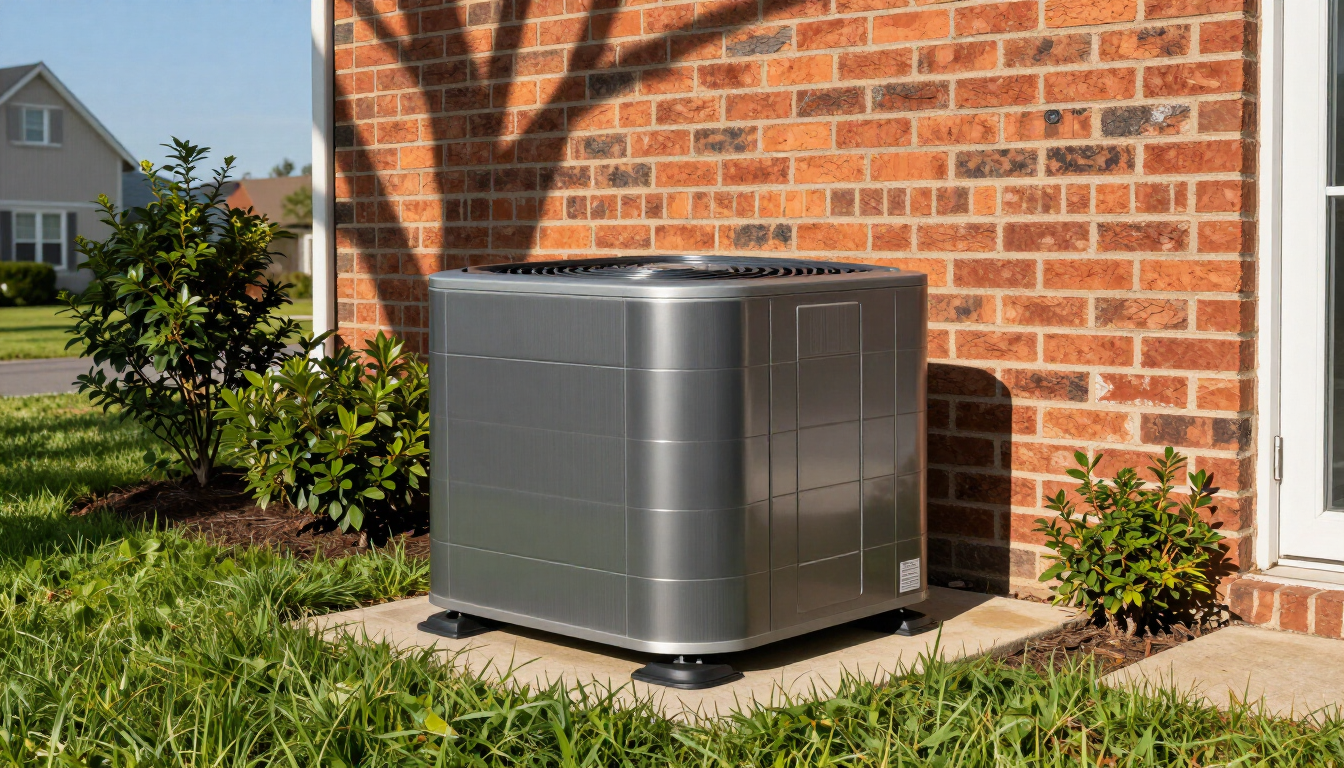
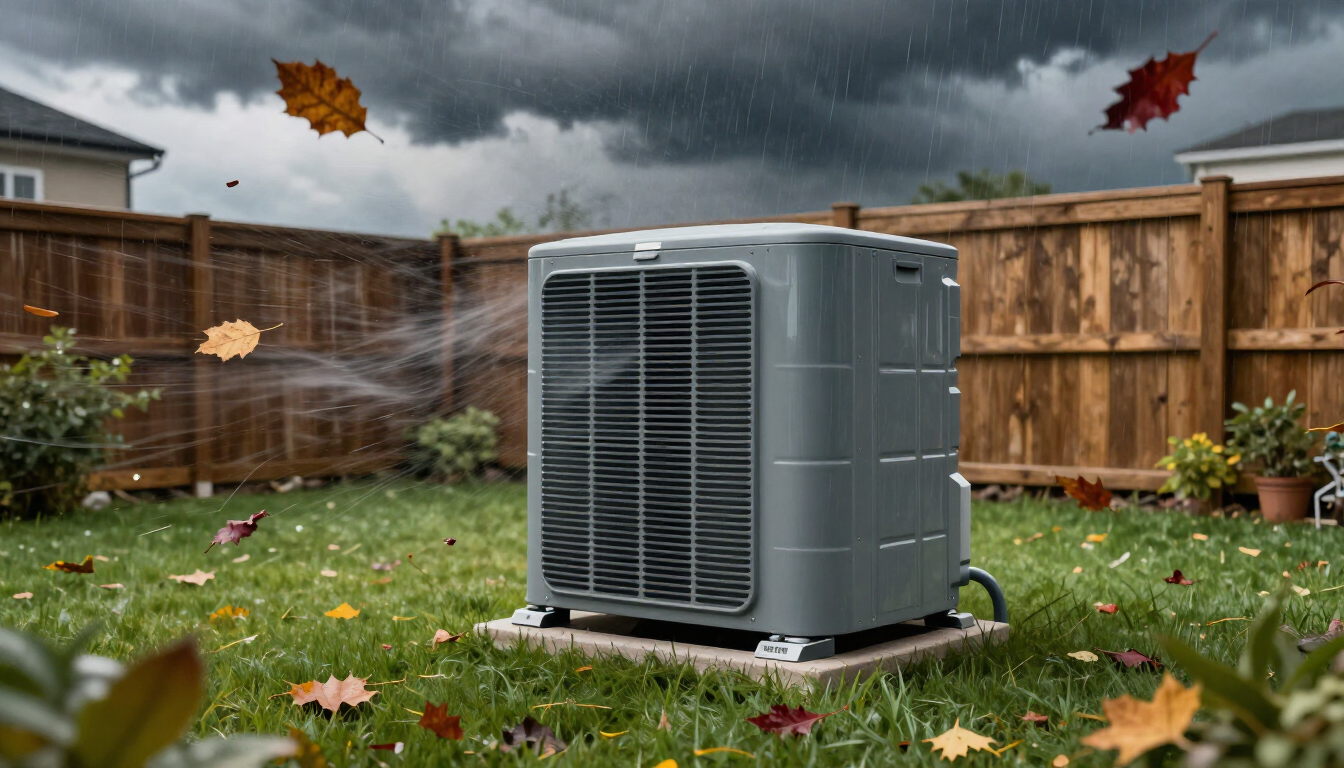
High-velocity winds are perhaps the most immediate threat during a hurricane. In Southern Maryland, these winds can easily gust over 70 or 80 miles per hour, turning everyday yard items into dangerous projectiles. To protect your outdoor condenser, the first priority is clearing the surrounding area. Remove loose lawn furniture, gardening tools, potted plants, and even low-hanging tree branches that could snap and crush the unit’s protective grille. If a heavy branch hits the fan motor or the delicate aluminum fins, the unit may become unrepairable.
Beyond clearing debris, you should consider a specialized cover. However, a word of caution: only use a cover designed for storm protection, and never operate the unit while it is covered. A heavy-duty, breathable tarp or a custom-fit HVAC hurricane cover can prevent small twigs, leaves, and dirt from being driven deep into the coils by the wind. When these materials get trapped inside, they hold moisture against the metal, leading to rapid corrosion and restricted airflow once the storm passes and you try to resume normal operation.
If you live in a particularly exposed area, such as waterfront properties in St. Mary's Heating and Air Conditioning service zones, the wind pressure itself can be enough to shift a unit off its pad. Ensuring the unit is bolted down is the best defense against the literal lifting power of a hurricane. Protecting the fan blades is also critical; if the wind causes the fan to spin backward at high speeds while the motor is trying to engage, it can lead to immediate mechanical failure or a burned-out motor capacitor.
Should I turn off my HVAC before a hurricane?
Yes, you should absolutely turn off your HVAC system at the thermostat and the main circuit breaker before the storm hits. Many homeowners believe that leaving the AC on will help manage indoor humidity during the rain, but the risks far outweigh the benefits. Hurricanes often cause rapid power fluctuations, known as "brownouts," and sudden surges when lines are knocked down or repaired. These electrical spikes can fry the sensitive control boards in modern, high-efficiency systems, leading to a complete loss of function.
Turning off the system at the breaker is a crucial step in your Hurricane HVAC Preparation . It isn't enough to just turn it off at the wall. Water and electricity are a dangerous mix, and if the outdoor unit becomes submerged or pelted by wind-driven rain, having the power live can cause a short circuit that ruins the compressor. By cutting the power entirely, you isolate the system from the grid’s instability. This simple act can save you thousands of dollars in replacement costs for electronic components that are often backordered during the peak of the season.
Furthermore, if you have a Mini Splits Ductless Units system, these units are even more sensitive to voltage irregularities. The inverter technology used in these systems is highly efficient but delicate. During the storm, the grid may attempt to restore power multiple times, creating a "chattering" effect that is devastating to compressors. Once the storm has fully passed and the power has been stable for several hours, you can then safely flip the breaker back on, though we recommend a visual inspection of the outdoor equipment first to ensure no water has entered the electrical housing.
What are the risks of flood damage to my heat pump?
Flood damage is often the most terminal threat to an HVAC system. While most outdoor units are designed to withstand rain, they are not designed to be submerged. If water rises high enough to reach the base of the unit, it can enter the compressor, the fan motor, and the electrical connections. In Southern Maryland, where coastal flooding is common in areas like Calvert County Heating and Air Conditioning districts, even a few inches of standing water can cause internal rust and sediment buildup that is nearly impossible to clean out.
If your home is in a designated flood zone, your unit should ideally be installed on an elevated platform. These platforms, often made of treated lumber or reinforced concrete, keep the sensitive components above the expected water line. If your unit is currently sitting at ground level, you might consider talking to a professional about elevating it as a proactive measure. Once a unit has been flooded, the manufacturer’s warranty is usually voided because the integrity of the internal seals and insulation can no longer be guaranteed by the factory.
Another hidden risk of flooding is the contamination of the refrigerant lines. If the unit shifts due to buoyant forces or moving water, the copper lines can crack. This allows refrigerant to leak out—a significant environmental hazard—and allows moisture and silt to enter the closed-loop system. Moisture in a refrigerant line is like poison to an HVAC system; it creates acid that eats the compressor from the inside out. Preventing this requires ensuring the unit is not only elevated but also securely anchored to its base so it won't float away or tip over in a surge.
Essential Storm-Proofing HVAC Checklist
To ensure you don’t miss a step when the storm warnings begin, follow this structured checklist for your Hurricane HVAC Preparation . These steps are designed to be completed in under an hour if you are organized, providing a robust layer of defense against the elements common in our Maryland climate.
- Clear the Perimeter: Remove all loose items, toys, and debris within a 10-foot radius of the outdoor unit to prevent projectile damage.
- Power Down: Switch off the HVAC system at the thermostat and then flip the dedicated breaker in your electrical panel to the 'OFF' position.
- Inspect Securement: Check that all bolts and hurricane straps are tight and that the mounting pad hasn't cracked or shifted over time.
- Cover if Appropriate: If you have a dedicated, heavy-duty storm cover, secure it tightly to prevent wind-driven rain and small debris from entering the coils.
- Document for Insurance: Take clear, timestamped photos of your unit before the storm to prove its condition in case you need to file a claim.
How can I secure an outdoor HVAC unit?
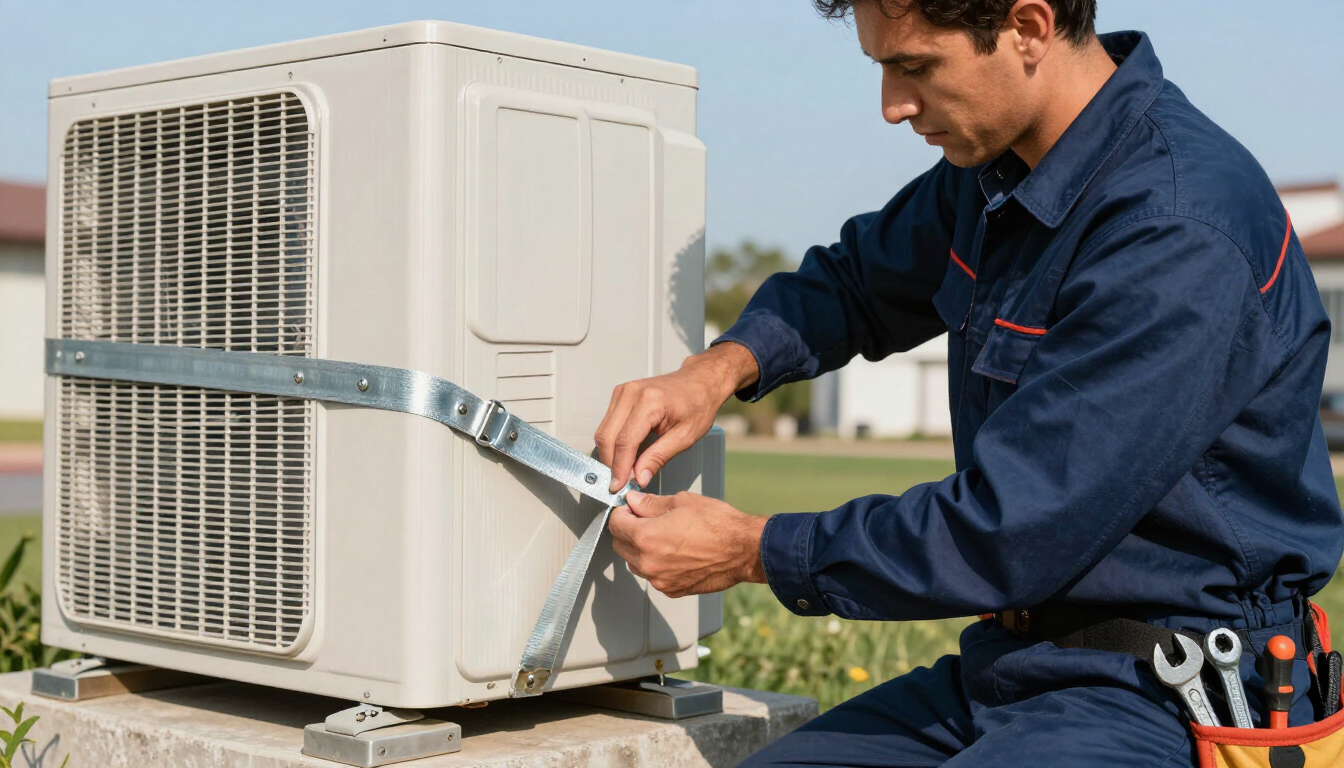
Securing your unit involves more than just checking a few bolts. In high-wind scenarios, the surface area of a large condenser acts like a sail. If the unit is not properly anchored to a concrete pad, the wind can literally flip it over. We recommend using hurricane-rated tie-down straps or heavy-duty galvanized steel bolts. These are designed to withstand the shear forces exerted by hurricane-strength gusts. For residents in coastal Maryland, using stainless steel or galvanized hardware is essential to prevent the salt air from weakening the metal over time.
If your unit sits on a plastic or composite pad, ensure that the pad itself is anchored to the ground. Sometimes the unit stays attached to the pad, but the pad itself slides or lifts. Using ground anchors or concrete piers can provide the necessary stability. During our HVAC Installation process, we prioritize these securement methods because we know the local weather patterns. A properly secured unit is also less likely to vibrate excessively during normal operation, which helps protect the internal refrigerant joints from developing small, slow leaks over the lifespan of the system.
Lastly, check the condition of the refrigerant line set where it enters your home. The "boot" or seal around these pipes should be tight and waterproof. If the wind shakes the outdoor unit violently, it can pull on these lines, potentially cracking the seal and allowing water to leak into your basement or crawlspace. Reinforcing this entry point with high-quality silicone caulk or a specialized wall sleeve is a small step that prevents significant secondary water damage to your home’s interior structure.
Assessing Post-Storm HVAC Damage
Once the storm has passed and it is safe to go outside, your first task is a visual inspection. Look for obvious signs of trouble: Is the unit still upright? Are there large branches resting on it? Is there visible mud or standing water inside the cabinet? If you see any signs of flooding, do not turn the power back on . Water inside the electrical components can cause a fire or an immediate short. Instead, call for a professional inspection to ensure the system is dry and safe to operate.
If the unit looks clear, remove any covers or tarps you installed. Check the outdoor fan for any debris that might have slipped through the grille. Even a small stick can jam the fan, causing the motor to overheat instantly when started. Once you are confident the unit is clear and dry, you can restore power at the breaker, wait a few minutes for the internal heaters to stabilize the oil, and then turn the system on at the thermostat. Listen for any new or unusual noises, such as grinding or rattling, which could indicate a bent fan blade or loose panel.
Professional Inspections for Peace of Mind
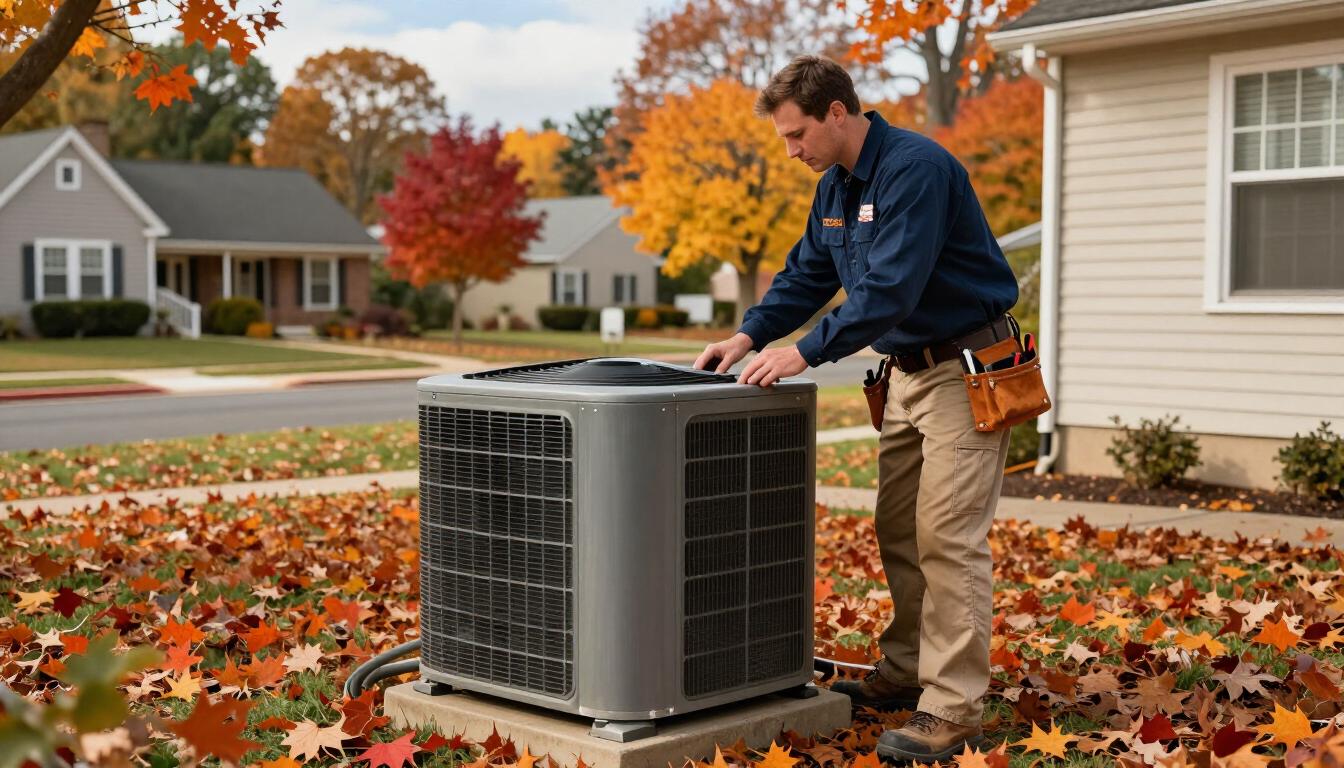
While DIY preparation is excellent, nothing replaces the expertise of a seasoned technician. At Assured Comfort Services, LLC, we offer comprehensive Maintenance Agreements that include pre-season checks to ensure your system is ready for whatever Mother Nature throws at us. Our team can verify that your anchors are solid, your electrical connections are tight, and your drainage systems are clear. In Southern Maryland, being proactive is always more cost-effective than being reactive when it comes to HVAC health.
In summary, effective Hurricane HVAC Preparation involves a mix of physical securement, electrical isolation, and vigilant post-storm assessment. By clearing debris, cutting power at the breaker, and ensuring your unit is bolted down, you protect your investment from wind and water damage. Remember to wait for the power grid to stabilize before restarting your system, and never hesitate to seek a professional opinion if you suspect internal damage. Stay safe, stay cool, and let our 40 years of experience work for you this hurricane season.
Key Takeaways for Homeowners
- Always turn off the power at the breaker to avoid electrical surge damage.
- Clear all loose debris and trim branches near the unit before the winds pick up.
- Secure the unit with hurricane straps to prevent it from shifting or flipping.
- Never start a unit that has been submerged in water without a professional inspection.
- Schedule a pre-season check-up to ensure your system is in peak condition for the storm months.
Ready to be comfortable in your home?
Licensed, insured & veteran-owned. Serving Southern Maryland, Anne Arundel & Southern PG County.
Free Consultation — NO Obligation
Assured Comfort Services is Waiting to Hear From You
We will get back to you as soon as possible.
Please try again later.