
Signs Your Furnace Needs Repair Before Winter in Southern MD
Common signs your furnace needs repair before winter include strange noises like banging or whistling, uneven heating throughout your home, a sudden increase in monthly energy bills, frequent system cycling, and a yellow or flickering pilot light. Identifying these issues early prevents costly emergency breakdowns during Southern Maryland’s freezing months.
As the humidity of the Maryland summer fades and the crisp autumn air takes hold, homeowners across the Chesapeake region begin to shift their focus toward indoor comfort. In Southern Maryland, the transition from cooling to heating is more than just a thermostat adjustment; it is a critical period for home maintenance. The unique climate of our coastal and rural areas, from the breezy shores of the Patuxent River to the wooded landscapes of St. Mary’s and Charles Counties, places a significant demand on heating systems. A furnace that has sat dormant through the summer may harbor dust, worn components, or electrical issues that only manifest once the temperature drops below freezing. Understanding the warning signs of a failing unit is the first step in ensuring your family stays warm and safe during the peak of winter.
What are the most common signs your furnace needs repair?
Identifying furnace trouble before a total system failure occurs can save homeowners thousands of dollars in emergency service fees and potential replacement costs. One of the most obvious signs is a noticeable lack of heat. If you find yourself constantly nudging the thermostat higher without feeling a difference in temperature, your furnace is struggling. This often points to a failing blower motor, a cracked heat exchanger, or issues with the burner assembly.
Another common indicator is poor air quality. If you notice an increase in dust, pet dander, or respiratory irritation among your family members, your furnace might be circulating contaminants instead of filtering them. This is often linked to the internal components of the system degrading over time. Furthermore, if you see visible soot or rust around the furnace unit, it is a clear signal that combustion is not occurring correctly, which is a significant safety concern. Addressing these issues with professional HVAC Repair is essential to maintain a healthy living environment.
Finally, the age of the unit is a primary factor. In Southern Maryland, most furnaces have a lifespan of 15 to 20 years. If your system is approaching this milestone and exhibits any performance issues, it is likely nearing the end of its functional life. Regular inspections can help determine if a simple repair will suffice or if a full replacement is the more cost-effective long-term solution.
Why is your Southern Maryland energy bill suddenly increasing?
If your utility bills are skyrocketing despite your heating habits remaining the same, your furnace is likely losing its efficiency. As mechanical parts wear down, the system must work harder and run longer to reach the desired temperature set on your thermostat. In the Southern Maryland region, where winter temperatures can fluctuate wildly, an inefficient furnace will consume excessive electricity or gas to compensate for heat loss or mechanical friction.
Several factors contribute to this drop in efficiency. Worn-out bearings in the blower motor can create resistance, requiring more power to move air through the home. Similarly, a malfunctioning ignition system may cause the furnace to cycle on and off more frequently than necessary—a process known as short-cycling. This not only wastes energy but also puts immense strain on the system's electrical components. Homeowners in St. Mary's Heating and Air Conditioning service areas should monitor their monthly statements closely during the transition months of October and November. A sudden 15% to 20% spike in energy usage is rarely a coincidence; it is a mechanical cry for help that requires a professional diagnostic check.
Does your furnace make loud banging or whistling noises?
A healthy furnace should operate with a relatively quiet, consistent hum. If your unit begins to sound like a construction site, it is time to take notice. Banging or popping sounds often occur when gas builds up in the combustion chamber before igniting, causing a small explosion. This can eventually lead to a cracked heat exchanger, which is one of the most dangerous and expensive furnace repairs.
Whistling or squealing noises usually indicate issues with the belt or the blower motor. A belt that has slipped or frayed will create a high-pitched screech, while dry bearings in the motor will produce a metallic grinding sound. Ignoring these auditory warnings can lead to a complete motor burnout, leaving you without heat on the coldest night of the year. For residents seeking reliable Calvert County HVAC Services , hearing these noises should be an immediate trigger to call for a veteran-trained technician who can pinpoint the source of the sound before it leads to a total system shutdown.
5 Indicators of a Failing Furnace System
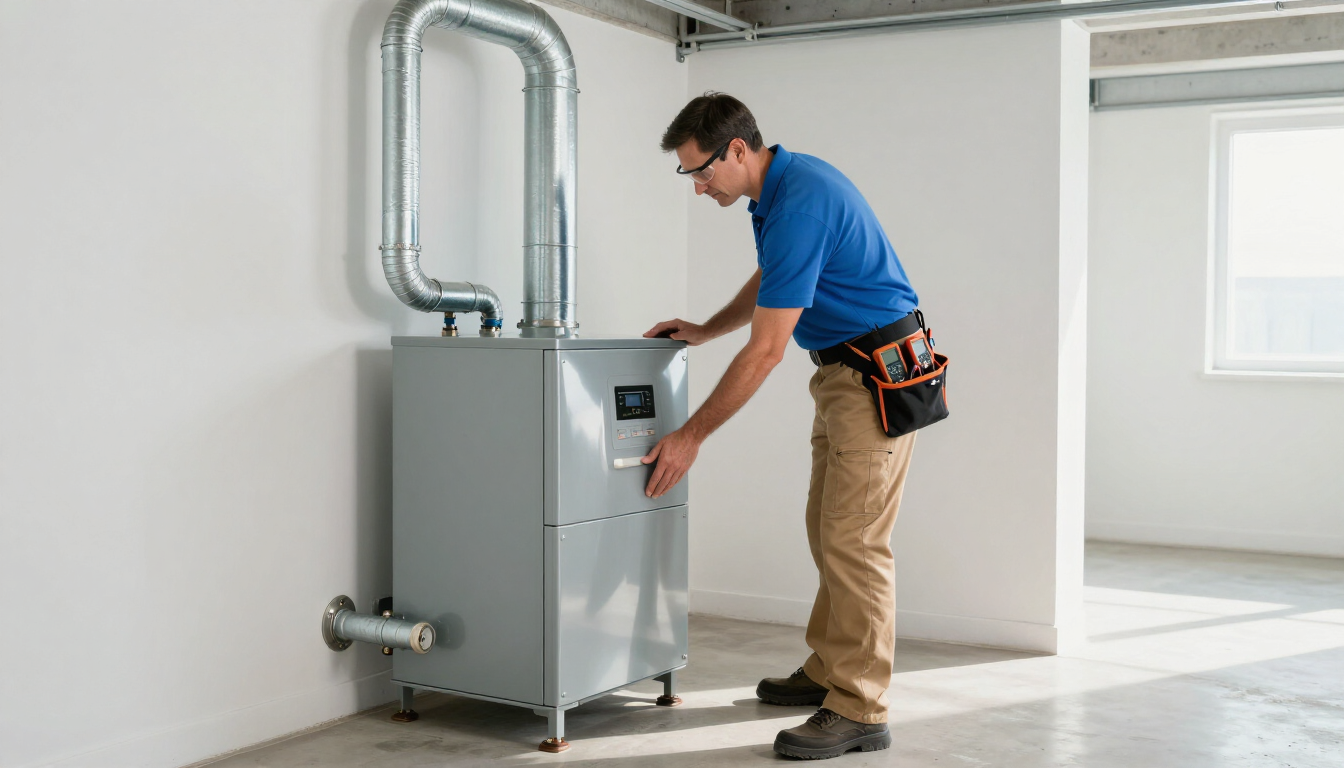
Beyond the obvious noises and bills, there are structural and operational indicators that your furnace is on its last legs. Homeowners should perform a visual and sensory check of their utility room once a month.
- Yellow Pilot Light: A healthy gas furnace should have a crisp blue flame. A yellow or flickering flame indicates that the gas is not burning completely, which can produce carbon monoxide.
- Frequent Cycling: If your furnace turns on and off every few minutes, it is not completing a full heating cycle, leading to uneven temperatures and high wear.
- Excessive Dust and Dryness: While winter air is naturally dry, a failing furnace can exacerbate the problem, leading to static electricity, drooping plants, and cracked wood furniture.
- Persistent Odors: The smell of burning dust is normal at the start of the season, but the smell of ozone, burning plastic, or rotten eggs (gas) is a sign of an emergency.
- Visible Corrosion: Rust on the flue pipe or the exterior of the unit suggests moisture issues and potential structural failure of the furnace housing.
How often should you schedule professional furnace maintenance?
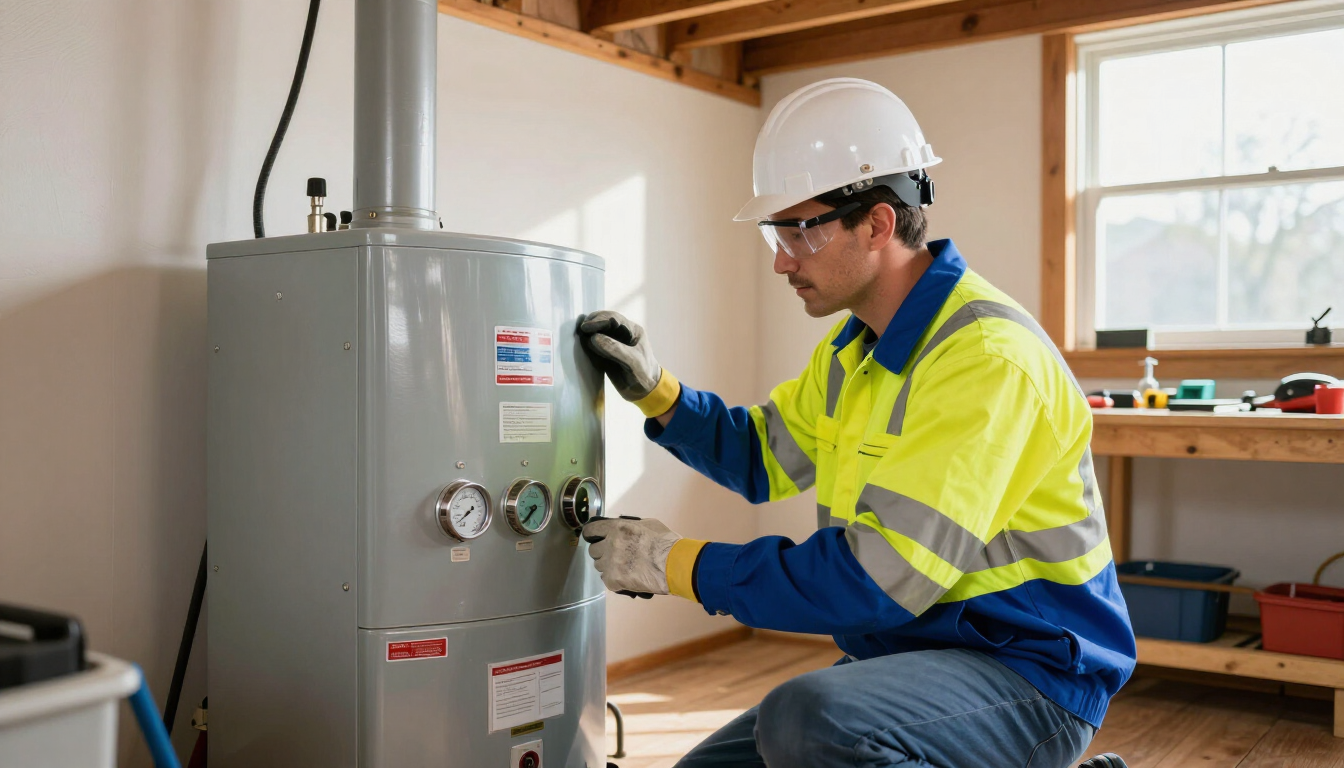
To avoid the stress of a mid-winter breakdown, we recommend scheduling professional maintenance at least once a year, ideally in the late summer or early fall. Preventive care is the cornerstone of HVAC longevity. During a standard maintenance visit, a technician will clean the burners, check the heat exchanger for cracks, lubricate all moving parts, and test the safety controls.
For homeowners in Southern Maryland, our HVAC Maintenance Agreements provide a structured way to ensure this vital service is never forgotten. Regular maintenance can extend the life of your furnace by up to five years and maintain the manufacturer's warranty, which often requires proof of annual service. By catching small issues like a loose wire or a dirty sensor in October, you prevent the midnight emergency call in January. Furthermore, a well-maintained system operates up to 25% more efficiently than a neglected one, paying for the service call through lower monthly utility costs.
The Importance of Pre-Winter HVAC Inspections
In Maryland, the winter humidity can be just as damaging as the cold. An inspection ensures that your Ductwork Services are integrated properly with your furnace. If your ducts have leaks, the furnace will work twice as hard to push air through the home, regardless of how well the furnace itself is running. An inspection looks at the system as a whole, rather than just the heating unit. This holistic approach is why Southern Maryland homeowners trust experienced contractors who understand the local architecture and common building practices of the region. A veteran-owned company like Assured Comfort Services leverages decades of local experience to identify regional issues, such as salt-air corrosion in coastal properties, that national chains might overlook.
Can a dirty filter cause furnace malfunctions?
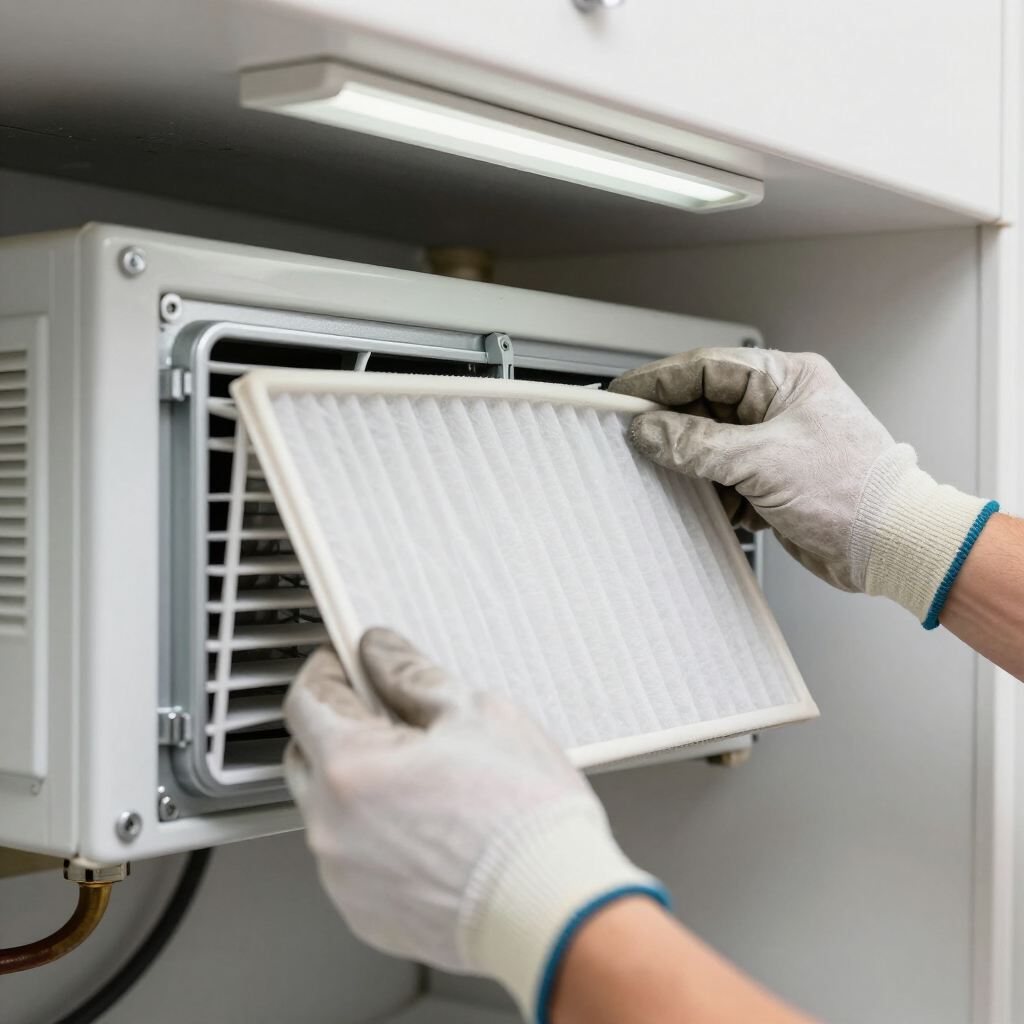
Yes, a dirty air filter is one of the leading causes of furnace failure. When a filter is clogged with dust, pet hair, and debris, it restricts airflow. The furnace then has to work harder to pull air in, which causes the heat exchanger to overheat. Most modern furnaces have a safety switch that will shut the system down if it gets too hot—a process that leads to the frequent cycling mentioned earlier.
Over time, this overheating can cause the heat exchanger to crack, which is a major safety hazard. Changing your filter every 30 to 90 days is the simplest and cheapest way to protect your furnace. If you have pets or allergies, consider higher-rated filters that improve Indoor Air Quality while protecting your mechanical equipment. If you aren't sure which filter size or type your system requires, a quick service visit can provide you with a year's worth of advice on DIY maintenance.
Safety Hazards: When a Repair Becomes an Emergency
While some furnace issues are merely inconvenient, others are life-threatening. Carbon monoxide (CO) is an odorless, colorless gas that can leak from a cracked heat exchanger or a blocked flue. If anyone in your home experiences unexplained headaches, nausea, or dizziness, leave the house immediately and call for emergency service. A furnace that produces a yellow flame or has visible soot is a high-risk unit for CO poisoning.
Additionally, any smell of natural gas or propane should be treated as a critical emergency. You should shut off the main gas line if possible and contact your local utility company and an HVAC professional immediately. At Assured Comfort Services, we prioritize safety above all else, ensuring that every repair meets or exceeds Maryland safety codes. We recommend that every Southern Maryland home equipped with a gas furnace also has functional carbon monoxide detectors on every floor.
Conclusion: Prepare Your Home for a Maryland Winter
Ensuring your furnace is in top condition before the Southern Maryland winter arrives is essential for home safety and energy efficiency. By paying attention to strange noises, rising bills, and physical signs of wear, you can address repairs early and avoid the discomfort of a cold home. Whether you need a simple tune-up or a major repair, working with a veteran-owned company with over 40 years of experience ensures you receive honest, high-quality service tailored to our local climate.
Key Takeaways for Southern Maryland Homeowners:
- Listen for changes: Banging, squealing, or whistling are early warning signs of mechanical failure.
- Monitor efficiency: A sudden increase in heating costs indicates your furnace is working harder than it should.
- Check the flame: A blue flame is safe; a yellow flame requires an immediate professional inspection.
- Schedule early: Booking your maintenance in the fall avoids the winter rush and potential part delays.
- Prioritize safety: Ensure carbon monoxide detectors are installed and your furnace is vented correctly.
If you have noticed any of these signs, don't wait for the first frost to take action. Contact Assured Comfort Services, LLC today to schedule your pre-winter inspection and keep your home cozy all season long.
Ready to be comfortable in your home?
Licensed, insured & veteran-owned. Serving Southern Maryland, Anne Arundel & Southern PG County.
Free Consultation — NO Obligation
Assured Comfort Services is Waiting to Hear From You
We will get back to you as soon as possible.
Please try again later.