


7 Signs Your AC Won't Survive a Southern MD Summer
To determine if your AC won’t make it through a Southern Maryland summer, look for signs like inconsistent cooling, strange grinding or banging noises, frequent short-cycling, and unexpected spikes in your utility bills. In high-humidity regions like ours, these symptoms often indicate impending mechanical failure that requires professional HVAC repair .
What are the signs your AC won't make it through summer?
Recognizing that your cooling system is on its last legs before the humidity of July and August hits can save you from an emergency situation. For homeowners in Southern Maryland, the air conditioning system is more than just a luxury; it is a critical component of home health and comfort. If you notice that your home is struggling to reach the set temperature on the thermostat, or if some rooms are significantly warmer than others, your system is likely losing efficiency.
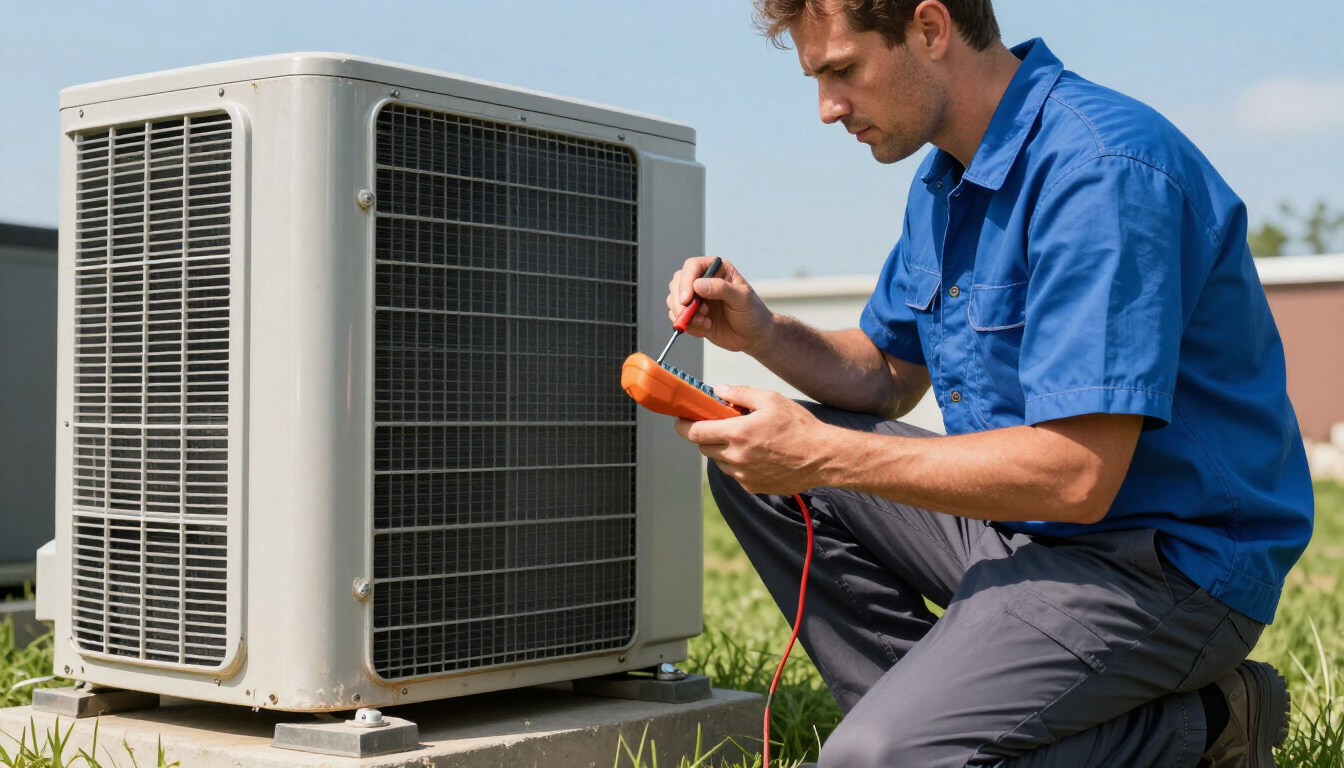
Another major indicator is the age of the unit. Most central air systems have a lifespan of 10 to 15 years. If your unit is approaching this age and you are noticing reduced airflow or musty odors coming from the vents, it may be time to consider a HVAC installation for a newer, more efficient model. Additionally, if the outdoor unit is making unusual sounds or if you see ice forming on the refrigerant lines even during a hot day, these are clear indicators of internal stress that could lead to a total breakdown when the temperature peaks.
The Impact of Southern Maryland Humidity on Your AC
Southern Maryland is unique because of its proximity to the Chesapeake Bay and the Potomac River. This geographic location leads to intense humidity levels that put a significant workload on your air conditioner. An AC unit does not just cool the air; it removes moisture. When humidity levels are high, your system has to work twice as hard to keep you comfortable.
Over time, this constant moisture removal can lead to issues such as clogged condensate drain lines or rusted components. If your system feels like it is running constantly but the air still feels "heavy" or "sticky" inside your home, it is a sign that the dehumidification process is failing. This lack of performance often precedes a mechanical failure. Maintaining your system through regular Maintenance Agreements is the best way to combat the corrosive effects of salt air and high moisture levels found in our local environment.
Why is my AC blowing warm air?
Nothing is more frustrating than a blast of warm air when you are expecting a cool breeze. If your AC is blowing warm air, the first thing to check is your thermostat settings to ensure it hasn't been switched to "heat" or "fan only." However, if the settings are correct, the problem is likely deeper.
Common causes for warm air include:
- Refrigerant Leaks: Low refrigerant levels mean the system cannot absorb heat from your home effectively.
- Frozen Evaporator Coils: Lack of airflow or low refrigerant can cause coils to freeze over.
- Compressor Failure: The "heart" of your AC may be failing, preventing the cooling cycle from starting.
- Dirty Air Filters: Clogged filters restrict airflow, causing the system to overheat and blow warm air.
If you encounter these issues, it is vital to call for Southern MD Heating and Cooling Services immediately. Continuing to run a system that is blowing warm air can lead to permanent damage to the compressor, turning a simple repair into a full replacement.
Strange noises that mean your unit is failing
A healthy air conditioner should operate relatively quietly, with only a gentle hum from the fan and the outdoor compressor. If your system starts sounding like a construction site, you have a problem. Screeching, grinding, or banging noises are usually indicative of mechanical parts that have become loose or worn out.
Screeching usually points toward a belt issue or a failing motor bearing in the blower or condenser fan. Banging or clanking often suggests that a part—like a connecting rod or crankshaft—has come loose inside the compressor. Whistling or persistent hissing sounds are often the result of air leaks in the ductwork services or a refrigerant leak. Ignoring these sounds is a recipe for a mid-summer disaster. If your unit is making these noises, shut it down and contact a professional to prevent further mechanical destruction.
Understanding Energy Bill Spikes
Your monthly utility statement is often the most honest indicator of your HVAC system’s health. While it is normal for bills to rise slightly during the peak of summer, a sudden, dramatic spike in costs without a corresponding change in your usage habits is a red flag.
When an AC unit is failing, it has to run longer and more frequently to achieve the same cooling effect. This inefficiency translates directly into higher electricity costs. If you find yourself paying 20% or 30% more than you did during the same month last year, your system is likely struggling to maintain its performance. Modern systems are designed with much higher SEER2 ratings, meaning that if you choose to replace an aging, inefficient unit, the savings on your energy bills can often help offset the cost of the new HVAC installation over time.
How much does a new HVAC installation cost?
The cost of a new HVAC system varies based on several factors, including the size of your home, the efficiency rating (SEER2) of the unit, and the complexity of the installation. For many Southern Maryland homeowners, an investment in a new system is a way to ensure peace of mind for the next decade.
Factors that influence the total cost include:
- System Capacity: Measured in tons, larger homes require larger units.
- Efficiency Rating: High-efficiency units have a higher upfront cost but lower long-term operating costs.
- Ductwork Condition: If your existing ducts are leaking or poorly insulated, they may need repair.
- Labor and Permits: Professional installation by a licensed company like Assured Comfort Services ensures code compliance and warranty protection.
Can frequent repairs lead to full system replacement?
It is a common dilemma: do you keep patching up an old unit or bite the bullet and replace it? A good rule of thumb is the "5,000 Rule." Multiply the age of your unit by the cost of the repair. If the total exceeds $5,000, it is generally more cost-effective to replace the system.
Frequent repairs are not just expensive; they are a sign that the system's components are reaching the end of their functional life. One week it might be a capacitor, the next a fan motor, and soon enough, the compressor itself fails. Each repair is a temporary fix for an aging machine. If you have called for HVAC repair more than twice in a single season, your unit is telling you it won't survive much longer. Transitioning to a new system provides the reliability that an older, repaired unit simply cannot offer.
Preparing Your Home for the Maryland Heat
Preparation is key to avoiding a cooling crisis. Before the mercury rises, there are several steps you can take to alleviate the load on your AC. First, ensure your home is properly insulated and that windows are sealed to prevent cool air from escaping. Second, use ceiling fans to help circulate air, allowing you to set the thermostat a few degrees higher without losing comfort.
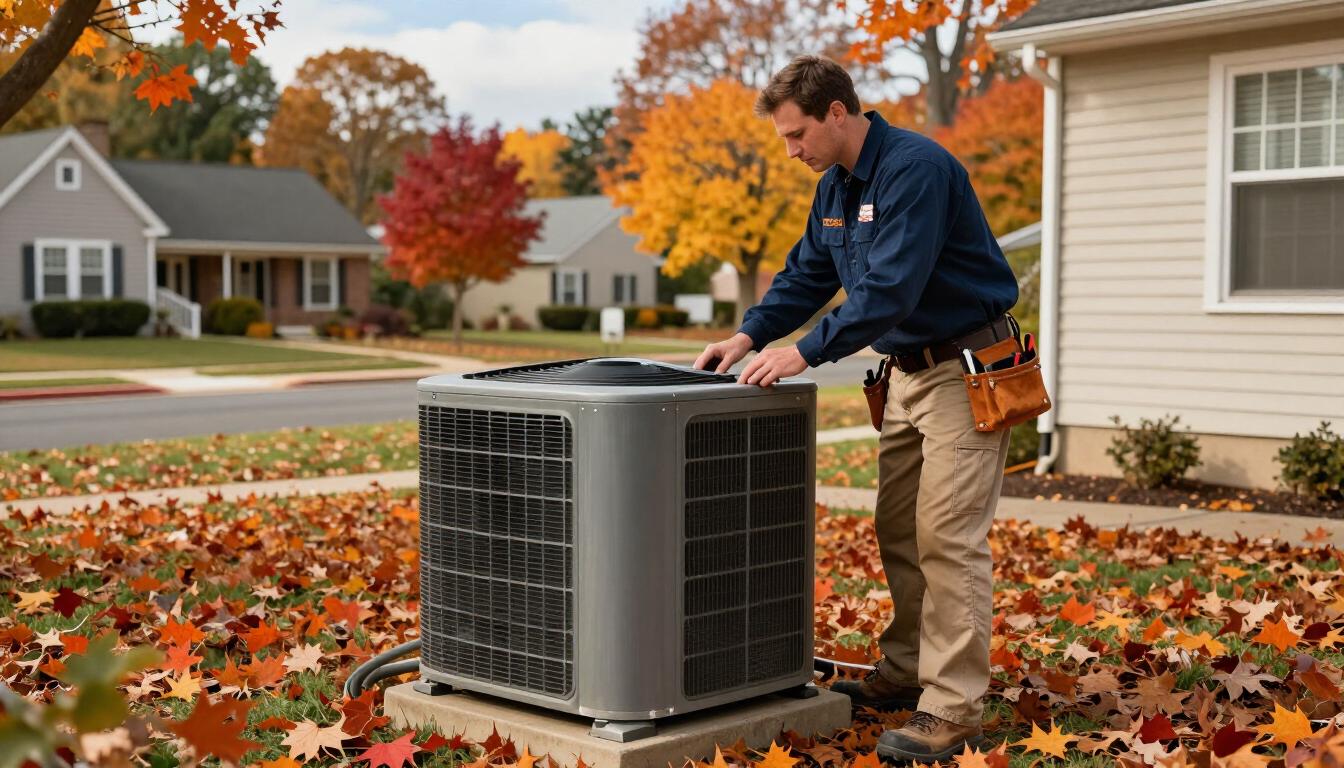
Most importantly, schedule a pre-season inspection. A professional technician can check refrigerant levels, clean the coils, and identify potential failure points before they become emergencies. This proactive approach is the best way to ensure your home remains a sanctuary during the humid Maryland summer. Whether you need a simple tune-up or a comprehensive HVAC installation , taking action now is the smartest move for any homeowner.
Essential Summer AC Takeaways
Staying cool in Southern Maryland requires a proactive approach to your home’s cooling system. By staying alert to the early warning signs of failure, you can avoid the discomfort and expense of a total system breakdown during the hottest months of the year.
- Monitor Performance: Watch for inconsistent cooling or unusual temperature swings.
- Listen for Changes: Any new or loud noise should be investigated by a professional.
- Check Your Bills: Unexpected energy spikes are a primary indicator of hidden inefficiencies.
- Plan Ahead: If your system is over 12 years old, start researching replacement options now.
- Maintain Regularly: Annual service prevents the most common causes of summer failure.
Ready to be comfortable in your home?
Licensed, insured & veteran-owned. Serving Southern Maryland, Anne Arundel & Southern PG County.
Free Consultation — NO Obligation
Assured Comfort Services is Waiting to Hear From You
We will get back to you as soon as possible.
Please try again later.