



Compare Whole-Home vs Portable Air Purifiers

November 10, 2026

Share this article

Whole-home air purifiers clean air throughout a house through the HVAC system, while portable air purifiers clean one room at a time. Whole-home systems offer consistent, low-maintenance coverage; portable units cost less upfront and provide targeted filtration. The better choice depends on your home’s size, budget, HVAC setup, and air-quality concerns.

What is the difference between whole-home and portable air purifiers?

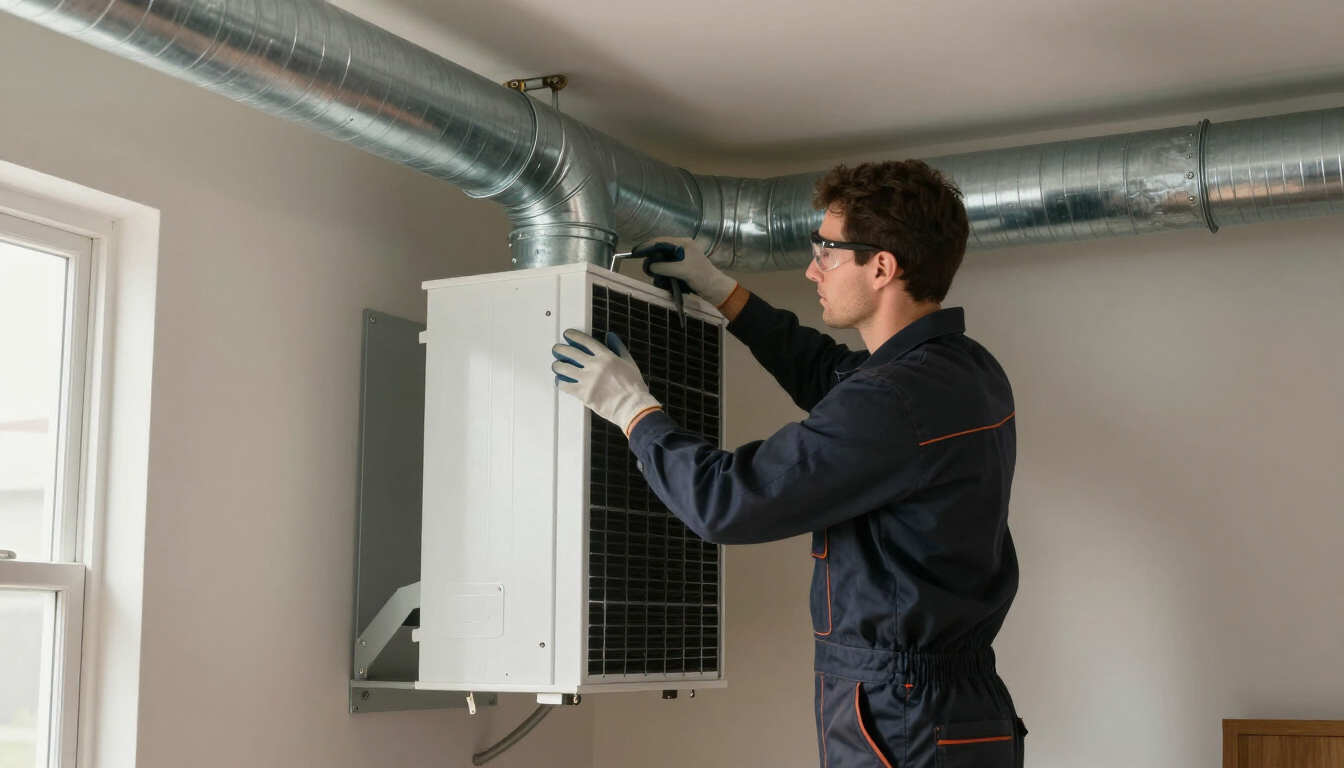
The main difference is coverage. A whole-home air purifier is installed in or near your central HVAC system, where it filters air as it moves through the ductwork. Because the system serves the entire home, it can reduce airborne particles across multiple rooms whenever the blower operates.

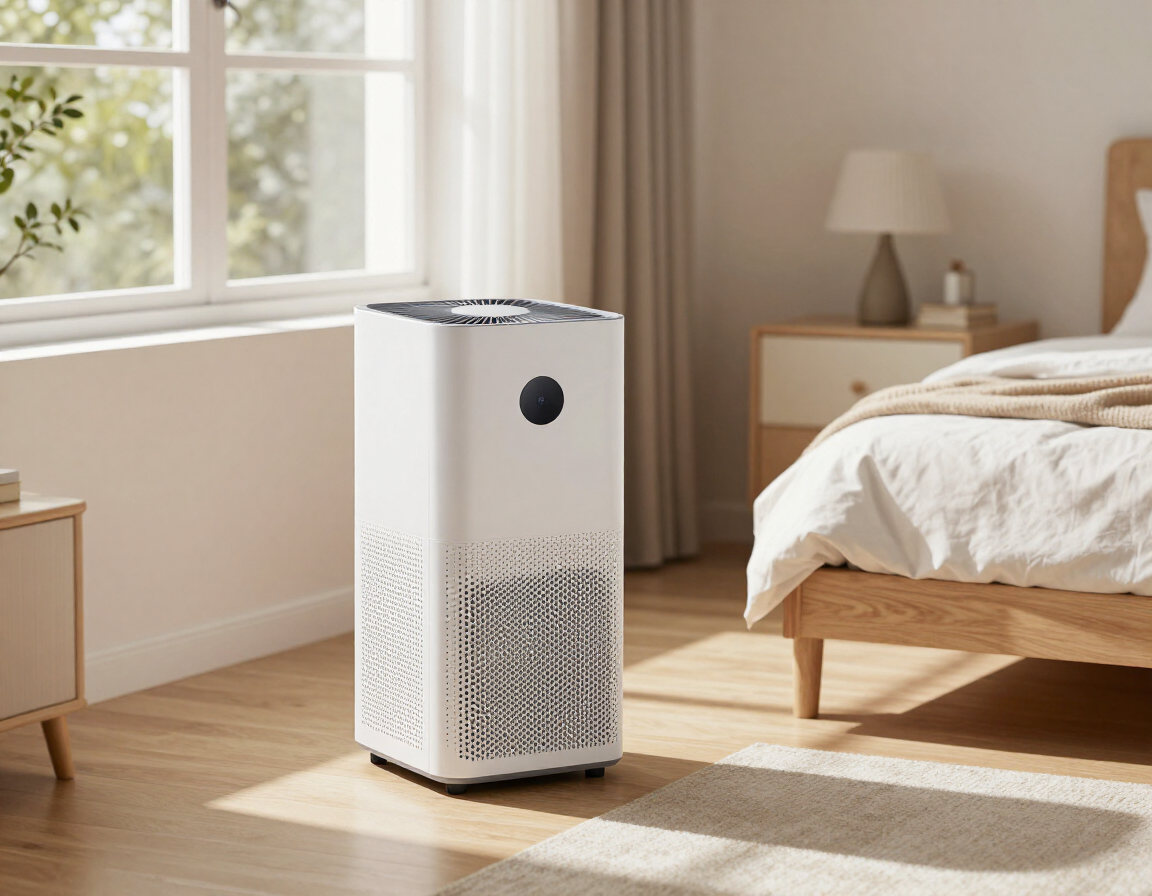
A portable air purifier is a self-contained appliance designed for a specific room or small area. It draws room air through a filter, captures pollutants, and returns cleaner air to the space. You can move it as needed, but it cannot usually treat an entire home evenly.

In practical terms:

  • Whole-home systems: One integrated solution for broad, continuous coverage.
  • Portable systems: Flexible, room-by-room filtration with a lower initial cost.
  • Whole-home systems: Depend on compatible HVAC equipment and professional installation.
  • Portable systems: Need correct sizing, filter replacement, and strategic placement.

Both options can support better indoor air quality. Neither replaces source control, adequate ventilation, humidity management, or regular HVAC maintenance.

Central HVAC air filtration system installed in a home

Which option provides better whole-house coverage?

For whole-house coverage, a whole-home air purifier is usually the stronger choice. It is connected to the central heating and cooling system, allowing filtered air to circulate through supply and return ducts. This is especially useful in homes where family members spend time in several rooms rather than one shared space.

Coverage still depends on the HVAC design. Leaky ducts, closed vents, poor airflow, or an undersized system can limit performance. A professional evaluation can determine whether the equipment can support the added filter resistance and whether improvements to ductwork or ventilation are needed.

Portable units can cover an entire home only when several appropriately sized units are used. Even then, bedrooms, hallways, and rooms with closed doors may receive uneven treatment. A single portable purifier in a living room will not reliably clean air upstairs or in a distant bedroom.

How effective are whole-home air purifiers?

Effectiveness depends on filtration technology, airflow, run time, and maintenance. Many whole-home systems use high-efficiency media filters that capture dust, pollen, mold spores, and other particles as air passes through. Some systems also use electronic filtration or ultraviolet technology, although features and results vary by model.

A whole-home purifier works best when:

  1. The filter is rated appropriately for the HVAC system.
  2. The blower moves enough air through the filter.
  3. Filters are changed on the manufacturer’s schedule.
  4. Ducts and equipment are clean and properly sealed.
  5. The system runs long enough to cycle indoor air.

Portable units can be highly effective in a single room. Look for a unit with a suitable clean air delivery rate, often called CADR, for the room’s square footage. A powerful portable purifier in a bedroom may outperform a whole-home system for that one room, particularly when the central HVAC fan is not running.

What pollutants can each type remove?

Both systems are primarily designed to reduce airborne particles. Depending on the filter and design, they may help capture:

  • Dust and household debris
  • Pollen and other outdoor allergens
  • Pet dander
  • Mold spores
  • Smoke particles
  • Some bacteria and other fine particles

Air cleaners are less effective against odors and chemical vapors unless they include a meaningful amount of activated carbon. They also cannot remove contaminants that remain on surfaces or eliminate the source of moisture, smoke, or combustion.

If your concern is recurring dust, seasonal allergies, pet dander, or wildfire smoke, filtration may be useful. If the concern is musty odor, visible mold, excessive humidity, or carbon monoxide, address the underlying safety or moisture issue first.

Portable air purifier operating in a bright bedroom

Whole-home vs portable air purifiers: which costs less?

Portable air purifiers generally cost less to purchase and do not require HVAC installation. However, the total cost can rise if you need multiple units for bedrooms, living areas, offices, or a basement. Each unit also has its own filters, noise level, energy use, and replacement schedule.

Whole-home systems cost more upfront because they require equipment, compatibility checks, and professional installation. Their ongoing maintenance may be simpler because one central filter serves the home. Some high-efficiency filters can increase HVAC energy use or require a system capable of handling greater resistance, so operating costs should be discussed before installation.

Compare more than the sticker price. Consider:

  • Number of rooms requiring filtration
  • Filter replacement cost and availability
  • Installation and electrical requirements
  • Expected service life
  • Energy consumption
  • HVAC compatibility
  • Noise and space limitations

A portable unit is often a sensible starting point for one room. A whole-home solution may offer better long-term value when several rooms need consistent treatment.

Which air purifier is easier to maintain?

Portable air purifiers are simple to use, but maintenance is distributed across every unit. Pre-filters may need cleaning, and HEPA or carbon filters need periodic replacement. A clogged filter reduces airflow and can make the appliance noisier or less effective.

Whole-home systems typically centralize maintenance. One filter or media cabinet can be checked during routine HVAC service. Replacement intervals vary widely based on filter size, fan operation, construction, pets, smoking, and indoor pollutant levels. A home with pets or renovation dust may need more frequent changes than the manufacturer’s general estimate.

Whichever option you choose, avoid treating a filter as “set and forget” equipment. Mark replacement dates, inspect filters visually, and ask a qualified HVAC professional whether the selected filter is appropriate for your system.

When should you choose a portable air purifier?

A portable purifier may be the best fit when you need targeted, immediate, or flexible filtration. It is particularly practical for renters, apartments, home offices, nurseries, bedrooms, and spaces without central HVAC.

Choose portable filtration when:

  • You mainly want to improve one room.
  • You need a lower upfront investment.
  • You rent and cannot modify the HVAC system.
  • You want to test whether filtration improves comfort.
  • You need seasonal or temporary smoke protection.

Place the unit where air can circulate freely. Keep intake and exhaust areas clear, close doors and windows when outdoor pollution is high, and choose a quiet setting for sleeping areas. Buying several undersized units can be less effective than selecting one correctly sized model for the room that matters most.

When is a whole-home air purifier the better choice?

A whole-home purifier is often the better choice when indoor air quality concerns affect several rooms and the property has central forced-air heating or cooling. It provides a more integrated approach without requiring a separate appliance in every living area.

It may be especially appropriate for:

  • Larger homes with multiple occupied rooms
  • Households managing widespread dust or allergens
  • Families that prefer one central maintenance point
  • Homes undergoing HVAC replacement or upgrades
  • Owners seeking a built-in solution with less visible equipment

A whole-home system is not automatically better for every household. If the HVAC fan rarely runs, if rooms are not connected by ductwork, or if the main concern is one bedroom, a portable unit may deliver more noticeable results in the short term.

How should you decide between the two?

Start with the problem, not the product. Identify where symptoms, dust, odors, or smoke are most noticeable. Then evaluate the home’s HVAC type, floor plan, occupancy, and ventilation.

Use this quick decision guide:

  • One room and limited budget: Start with a properly sized portable purifier.
  • Several rooms and central HVAC: Consider a whole-home air cleaner.
  • No ducted system: Portable filtration may be more practical.
  • New HVAC installation planned: Ask about compatible whole-home filtration.
  • Unclear air-quality source: Arrange an HVAC and indoor-air-quality evaluation first.

For broader guidance on ventilation, filtration, humidity, and comfort, review our indoor air quality services page.

Final takeaway

Whole-home vs portable air purifiers is not a competition with one universal winner. Whole-home systems are best for consistent, low-visibility filtration across a property with compatible central HVAC. Portable units are usually better for targeted coverage, renters, single rooms, and smaller budgets. Compare room coverage, filter performance, maintenance, noise, installation, and operating cost before deciding. If several rooms need cleaner air, request a professional evaluation of your HVAC system. If one room is the priority, choose a portable unit sized for that space and maintain its filters consistently.

Ready to be comfortable in your home?


Licensed, insured & veteran-owned. Serving Southern Maryland, Anne Arundel & Southern PG County.

Free Consultation — NO Obligation

Assured Comfort Services is Waiting to Hear From You


Recent Posts

Veteran-owned HVAC technician performing winter maintenance in Southern Maryland.
October 19, 2026
Assured Comfort Services provides veteran-owned HVAC maintenance and heating repair to prepare Southern Maryland homes for the winter season.
Modern HVAC unit in a residential yard during autumn with orange leaves.
October 12, 2026
Discover why fall is the perfect time for an HVAC system replacement in Southern Maryland. Avoid winter emergencies and save money with professional installation.
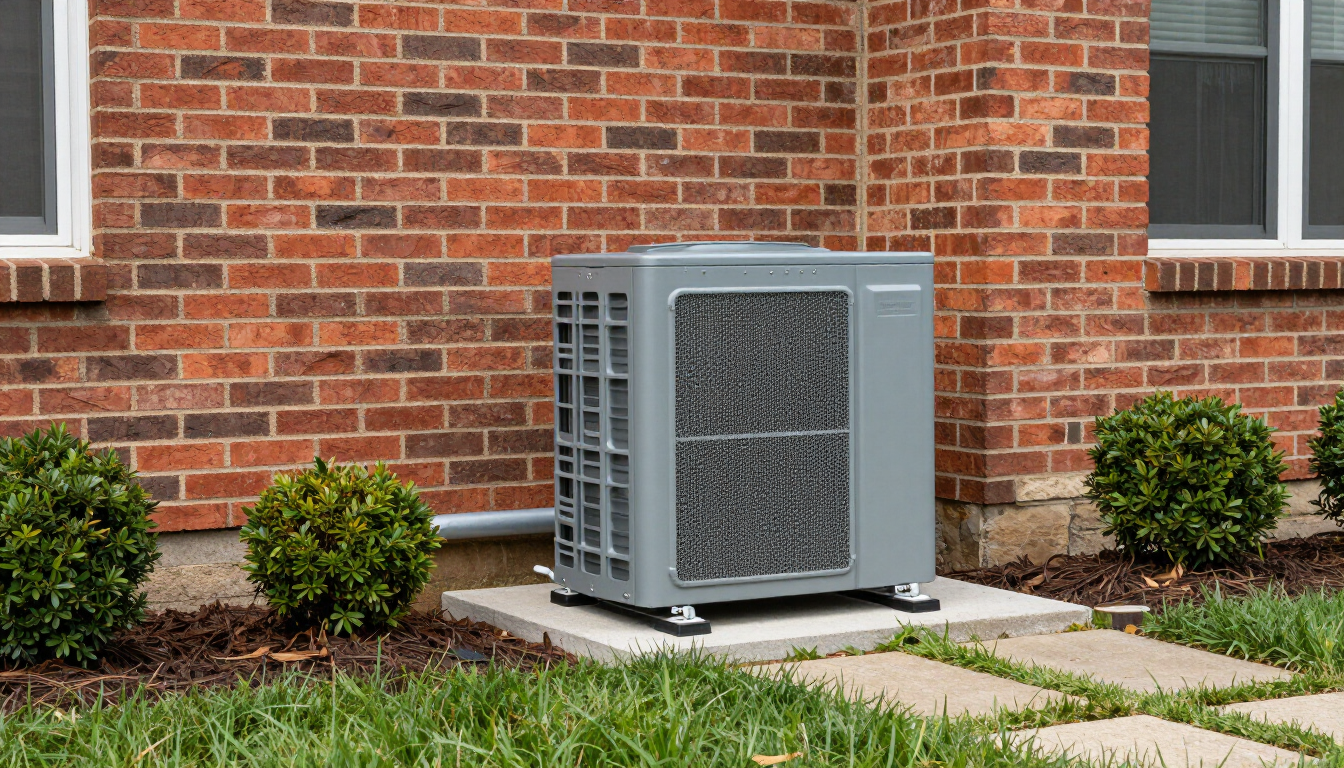
Comparison of a modern heat pump and furnace for home heating in Maryland.
October 7, 2026
Compare heat pumps and furnaces for your St. Mary's County home. Learn about efficiency, installation costs, and which system handles Southern Maryland winters best.
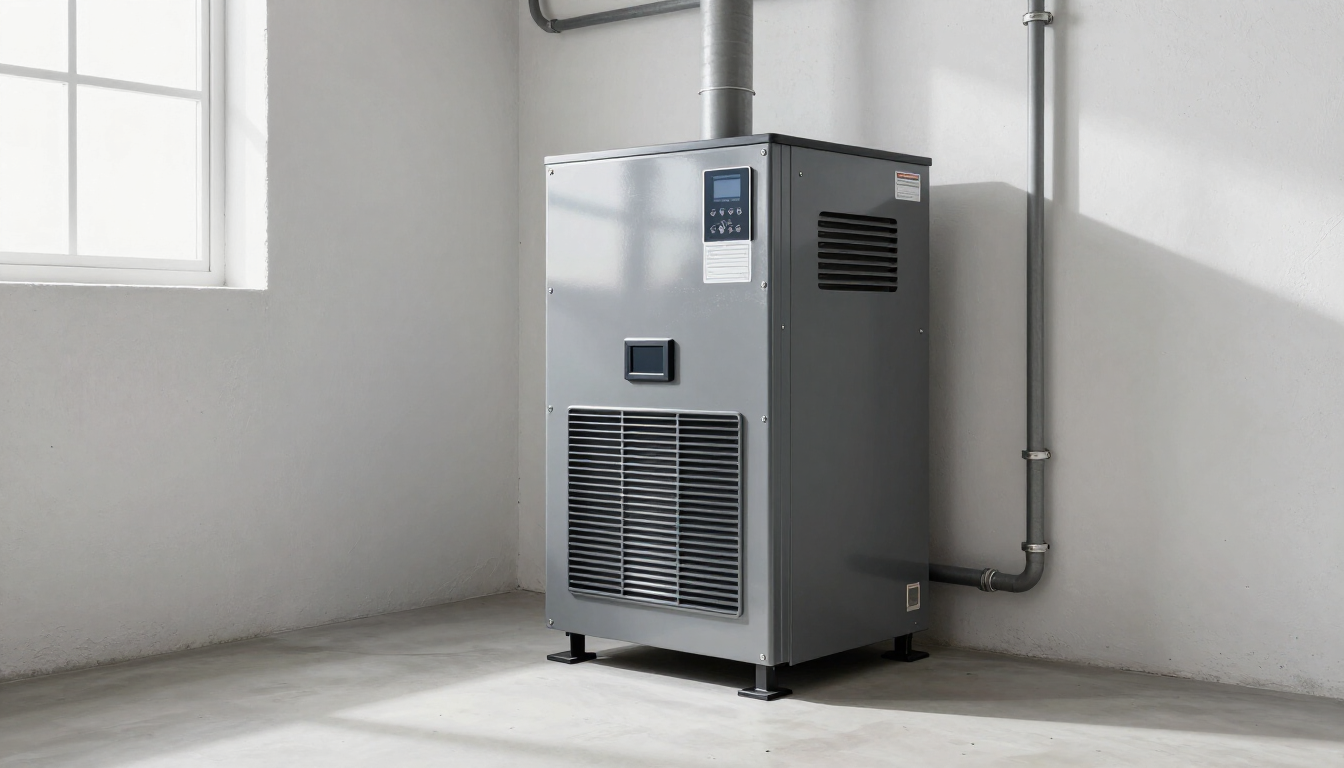
A professional HVAC technician inspecting a furnace system for winter readiness.
October 5, 2026
Learn the critical signs your furnace needs repair before the Southern Maryland winter hits. From strange noises to rising bills, discover how to stay warm.
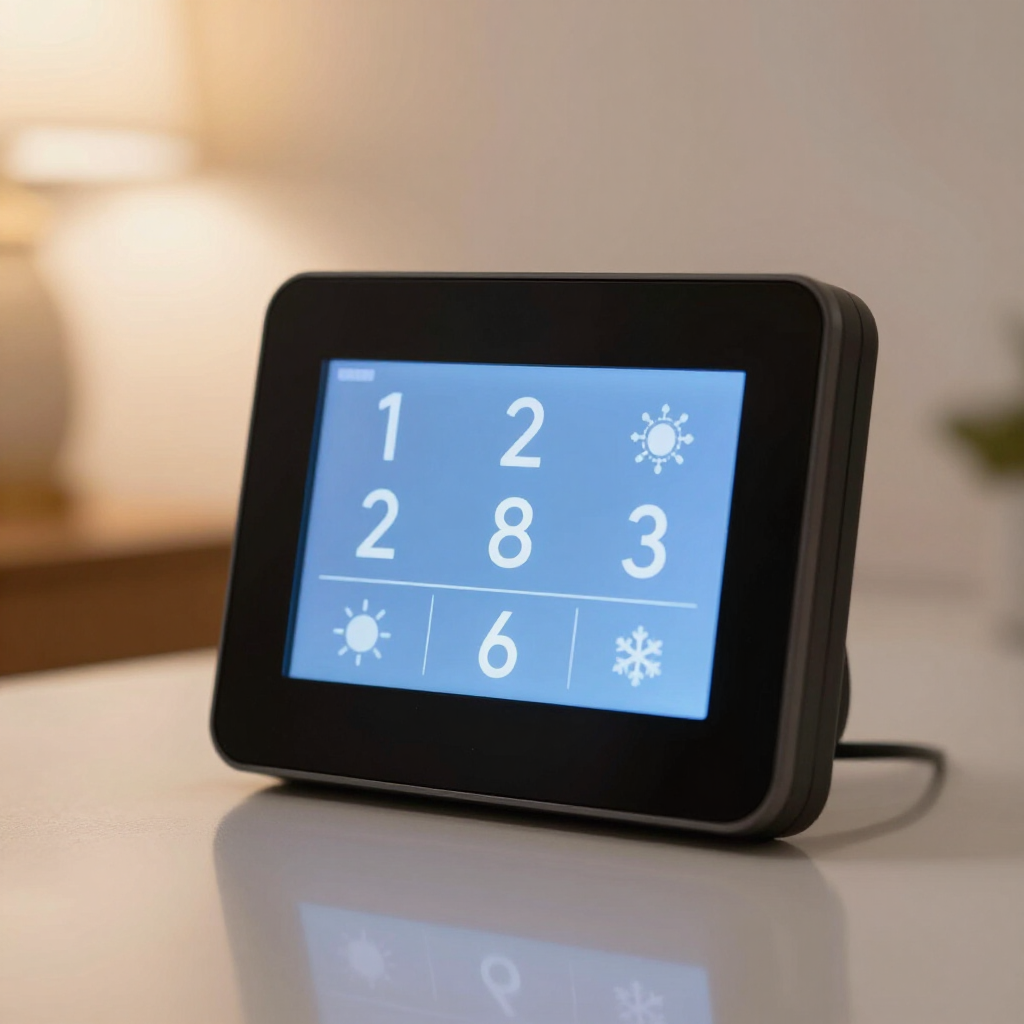
A modern programmable thermostat showing energy-saving settings for the winter season.
September 7, 2026
Learn how programmable thermostats save money as temperatures drop. Discover expert tips from Assured Comfort Services for Southern Maryland homeowners.
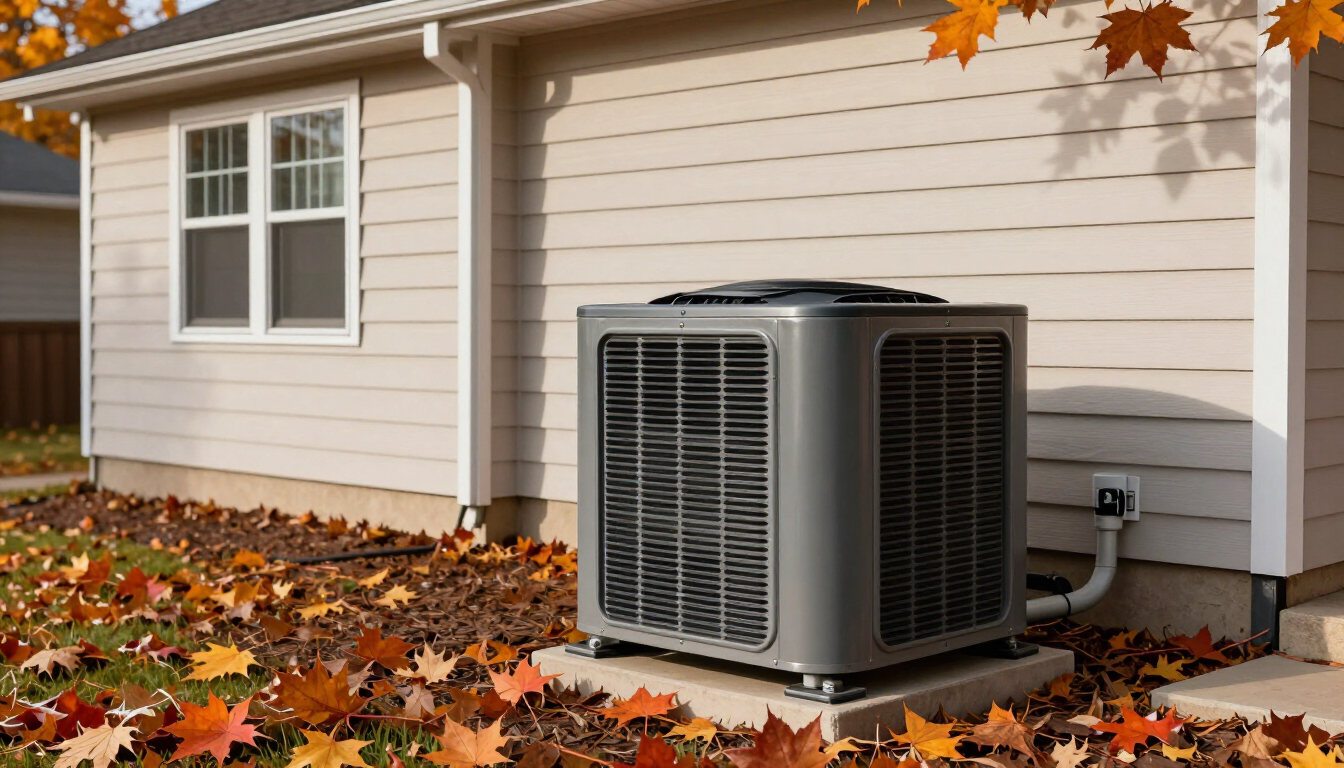
Modern outdoor HVAC unit installed at a residential home during autumn
September 4, 2026
Is your heater ready for the cold? Learn the 5 warning signs you need to replace your HVAC system before winter hits to ensure efficiency and home comfort.

Energy efficient thermostat adjustment for fall season
September 3, 2026
Discover expert tips to lower your energy bills this fall in Southern Maryland. From HVAC maintenance to thermostat hacks, Assured Comfort Services shows you how to save.
HVAC technician inspecting unit during fall season
September 1, 2026
Prepare your home for winter with our comprehensive Fall HVAC maintenance checklist. Expert tips for Southern Maryland homeowners to ensure efficiency and warmth.
HVAC technician performing steps to winterize in Calvert County home
August 22, 2026
Prepare your home for winter with our expert Checklist. Assured Comfort Services helps Calvert County homeowners stay warm and efficient. Contact Us Today.
Professional HVAC technician performing a furnace tune-up.
August 6, 2026
Discover why September is the prime time for a furnace tune-up. Beat the rush, save on energy, and ensure winter comfort in Southern Maryland.
Show More