Let's be honest — most of us don't think about our HVAC system until something goes wrong. And by then, a small problem that could've been caught early has turned into an expensive repair (or worse, a full replacement) right in the middle of a Maryland heat wave.
At Assured Comfort Services, we've been keeping homes and businesses comfortable since 2007, and the number one thing we tell our customers is this:
a little maintenance goes a long way. Here are 10 easy tips to keep your system running smoothly all year long.
1. Change Your Air Filter — More Often Than You Think
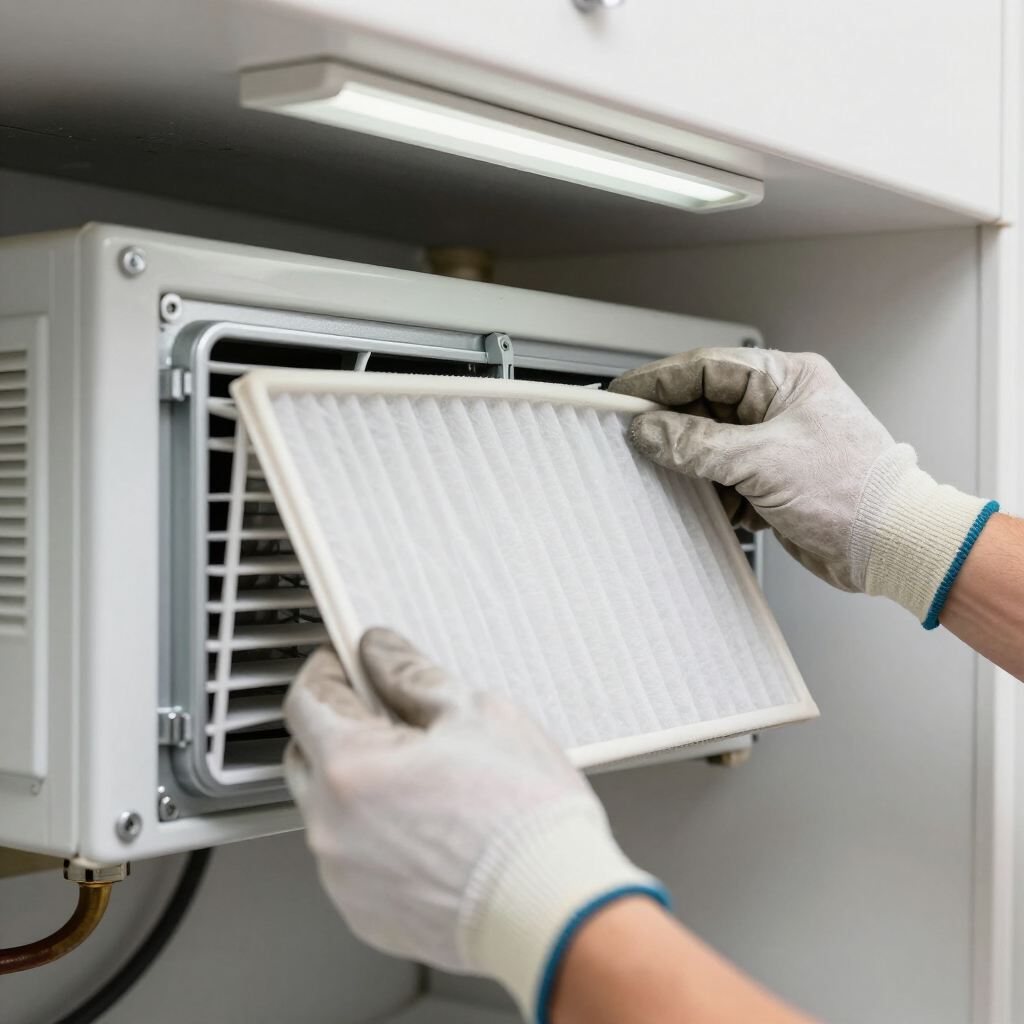
This is the single most impactful thing you can do for your HVAC system, and it takes about two minutes. A clogged filter forces your system to work harder, drives up your energy bill, and shortens the life of your equipment.
Rule of thumb:
- 1-inch filters: every 1–2 months
- 4-inch filters: every 6–12 months
- Homes with pets or allergy sufferers: lean toward the more frequent end
Not sure what filter size you need? Check the slot on your unit — the dimensions are usually printed right on the old filter.
2. Keep Your Outdoor Unit Clear
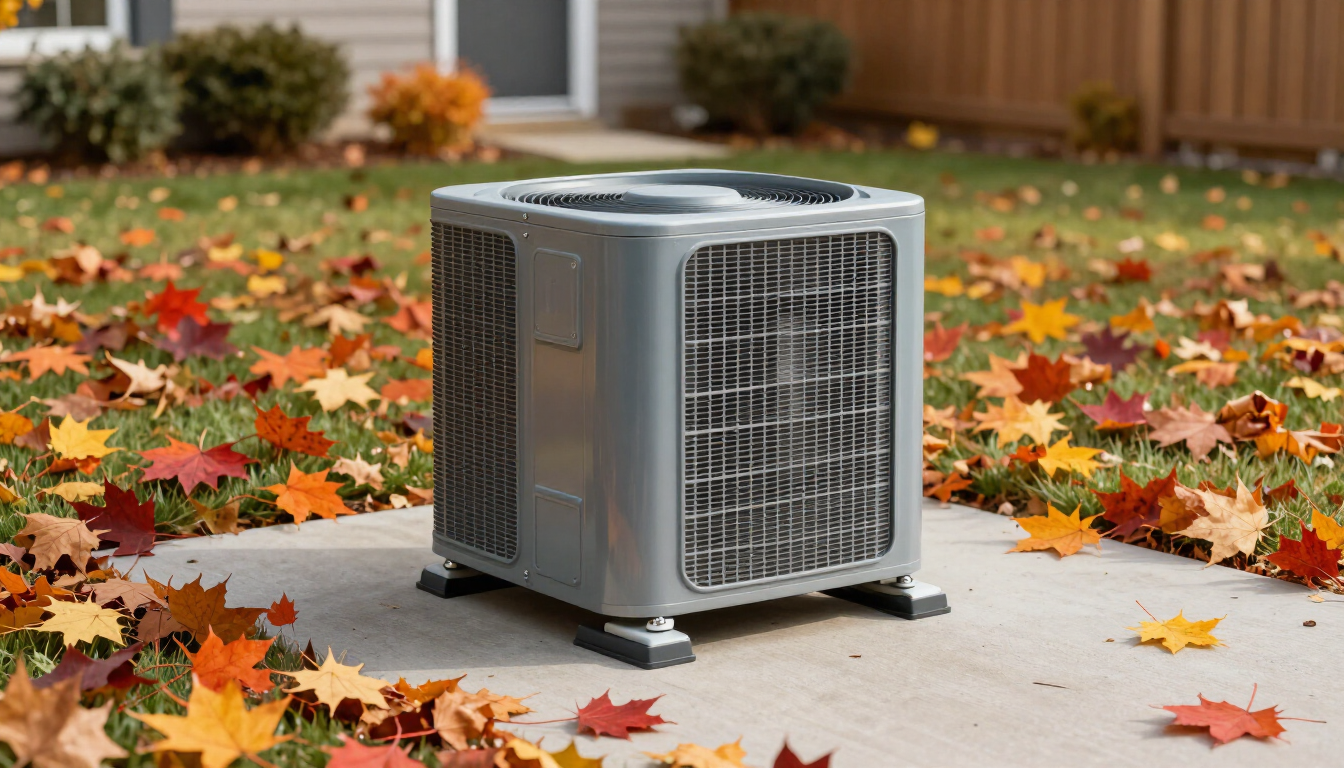
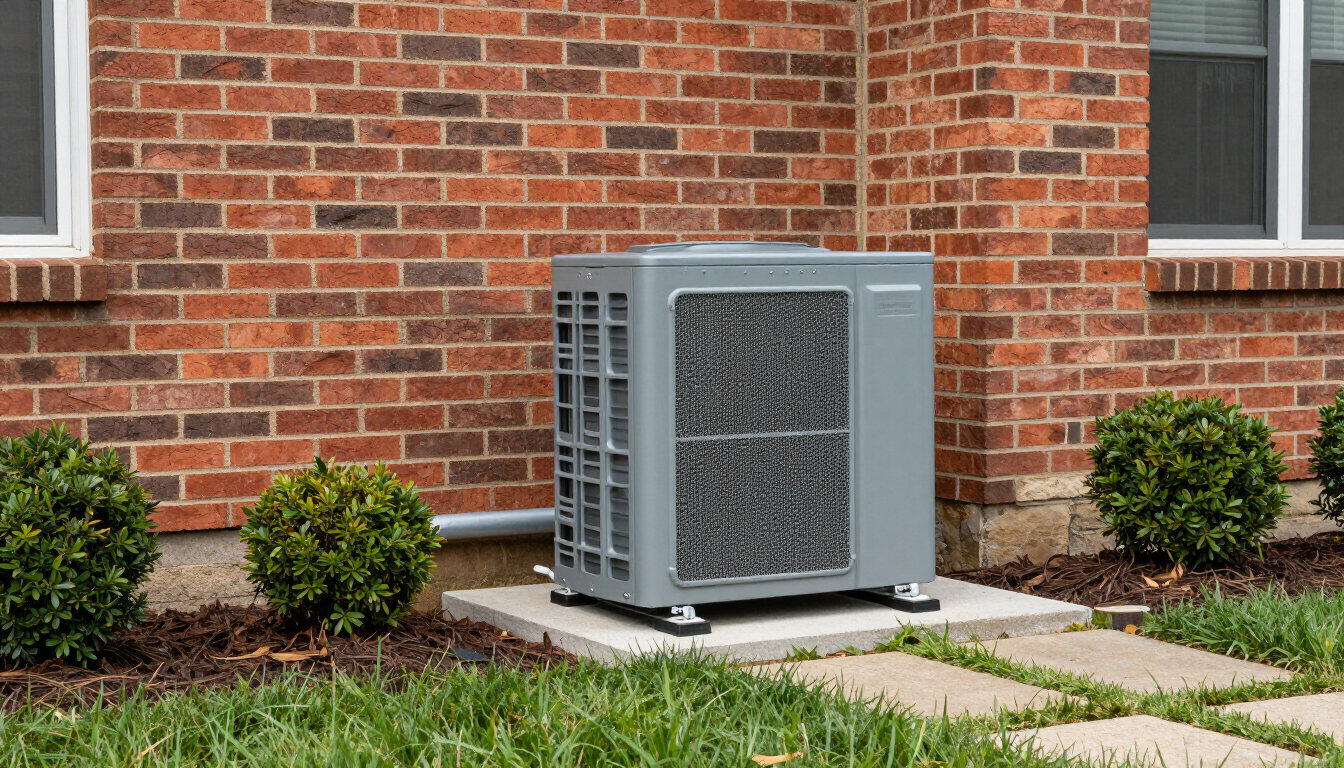
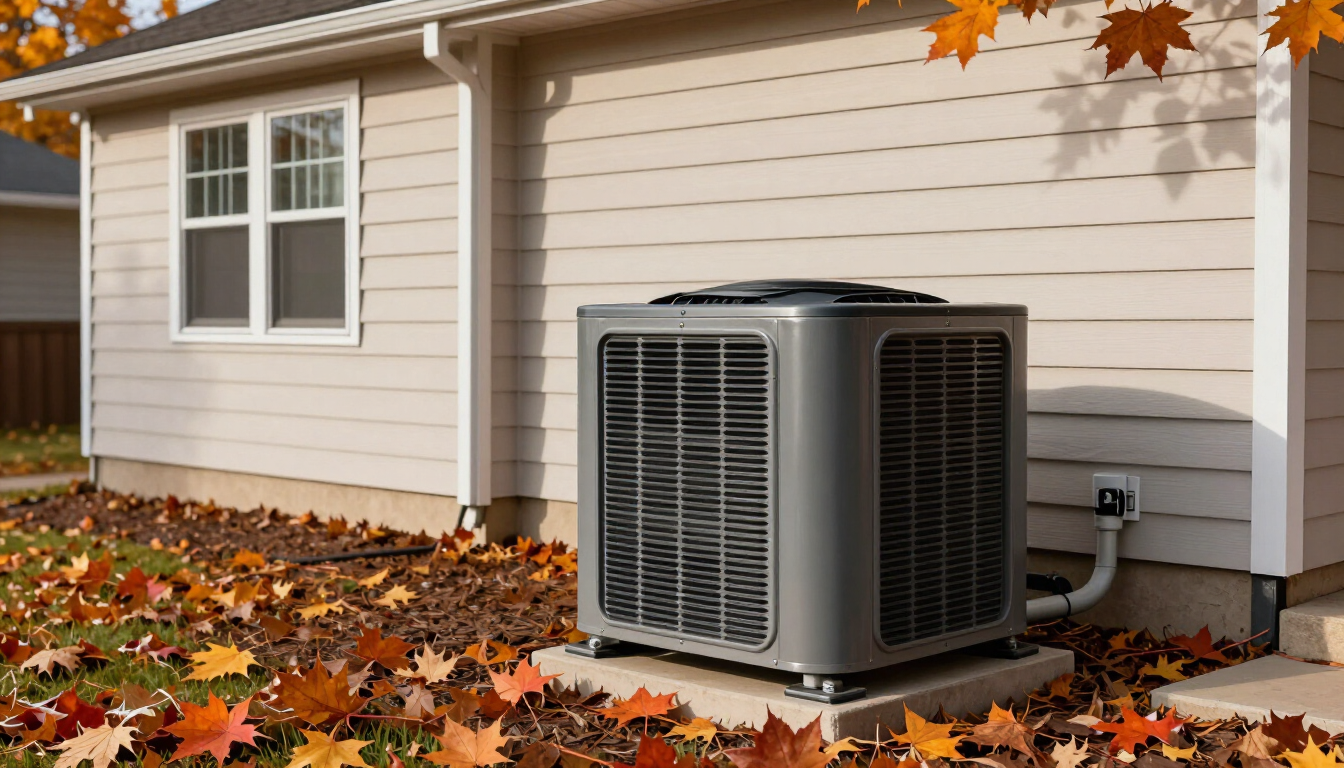
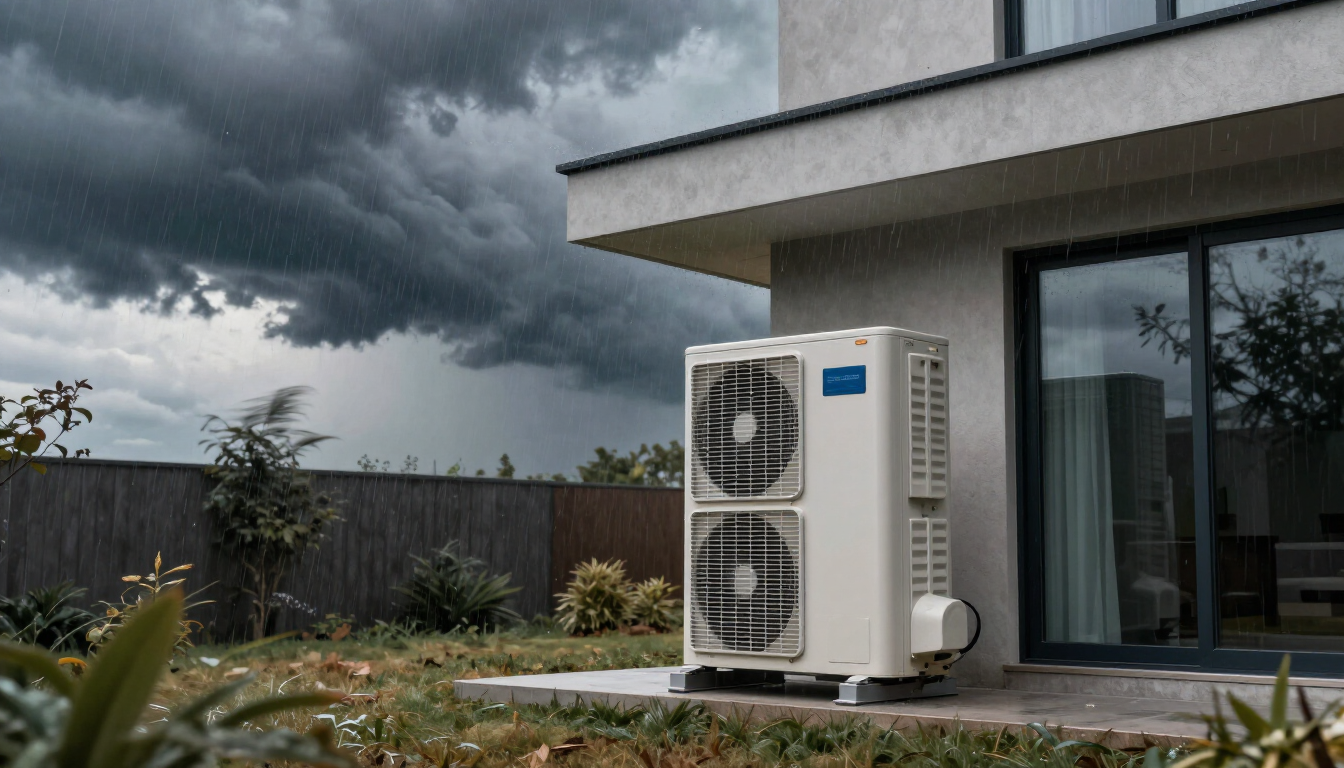
Your outdoor condenser unit needs room to breathe. Grass, leaves, mulch, and overgrown shrubs can all restrict airflow and cause the system to overheat. Aim to keep at least 2 feet of clearance around the unit on all sides.
Give it a gentle rinse with a garden hose (on low pressure) a couple of times a year to clear out dust and debris from the fins.
3. Don't Ignore Weird Noises
Banging, rattling, squealing, or grinding sounds are your HVAC system's way of asking for help. These noises can signal loose parts, worn belts, or motor issues — all of which are much cheaper to fix early than after a full breakdown.
If something sounds off, give us a call. It's almost always better to check sooner rather than later.
4. Check Your Thermostat Settings
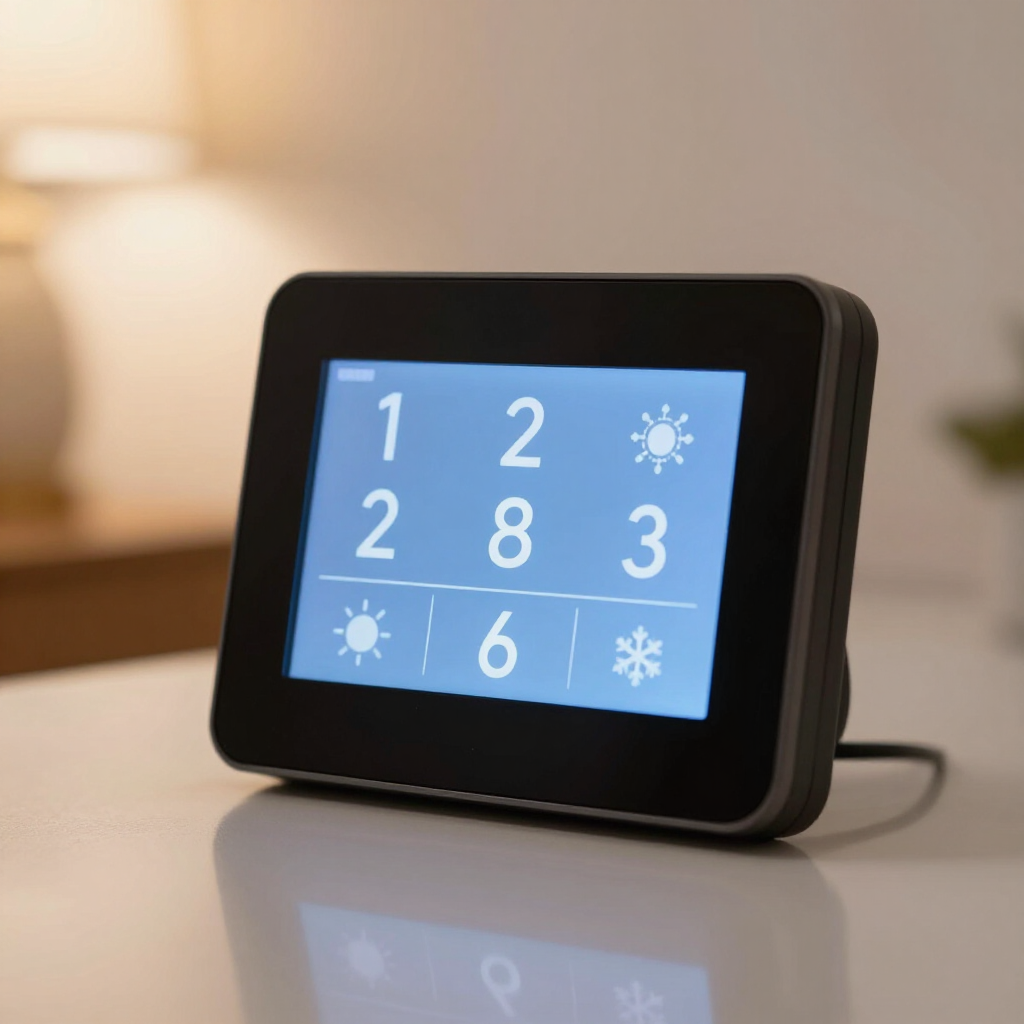
It sounds simple, but a lot of energy waste comes down to thermostat settings. If you're still using an old manual thermostat, upgrading to a programmable or smart thermostat can cut your heating and cooling costs noticeably — especially if you're away from home during the day.
Set it to ease up while you're at work and get back to your comfort zone before you return. Your wallet will thank you.
5. Inspect and Seal Your Ductwork
Leaky ducts can waste 20–30% of the air your system produces — meaning you're paying to cool or heat your attic instead of your living room. Signs of leaky ducts include rooms that are always too hot or cold, higher-than-normal energy bills, and excessive dust in the home.
A professional duct inspection can identify problem areas and seal them up for good.
6. Keep Vents Open and Unblocked
Closing vents in unused rooms might seem like a smart way to save energy, but it actually throws off the pressure balance in your system and can cause it to work harder. Keep all vents open and make sure furniture, rugs, and curtains aren't blocking airflow.
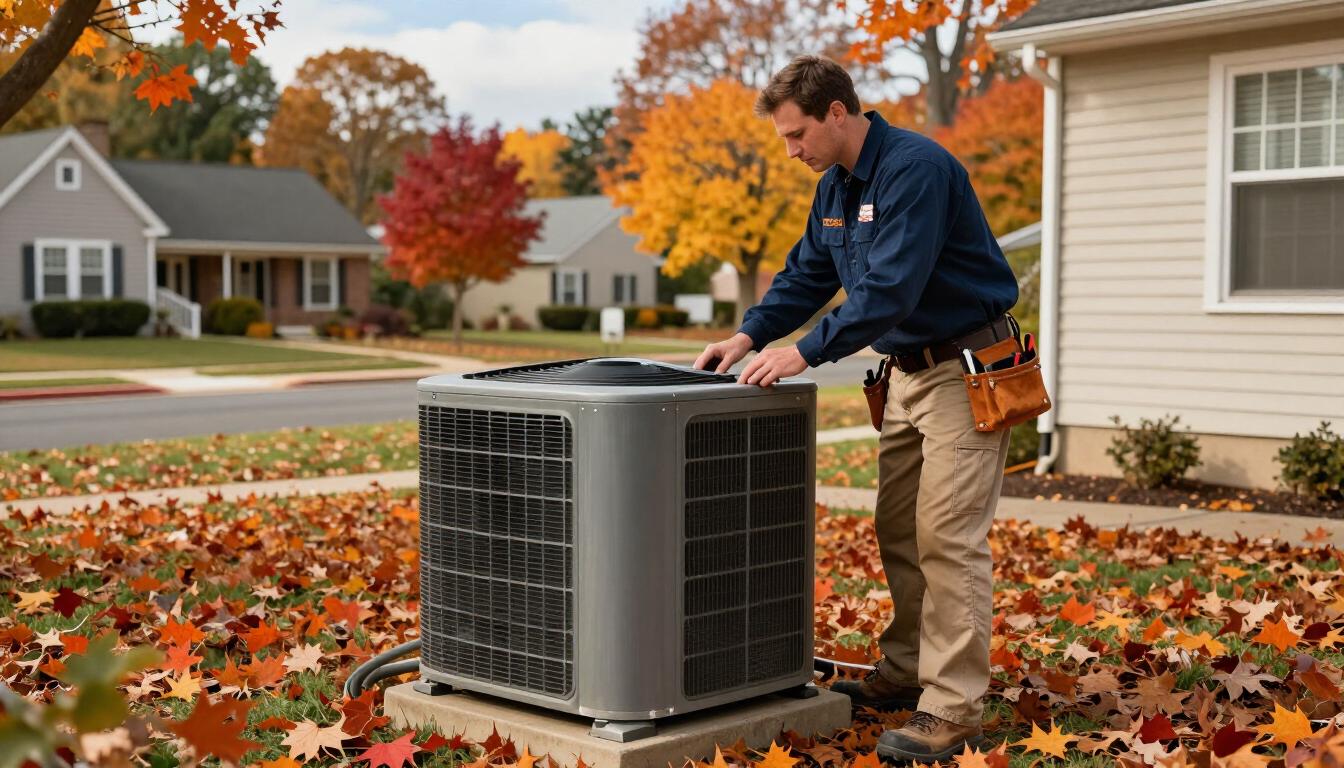
7. Schedule a Professional Tune-Up Twice a Year
Think of this like an oil change for your car — it's routine maintenance that prevents bigger problems. We recommend:
- Spring:
Before cooling season kicks in — have your AC checked, refrigerant levels tested, and coils cleaned.
- Fall:
Before heating season — have your furnace or heat pump inspected, burners cleaned, and safety components checked.
Catching a small issue in October beats an emergency call in February.
8. Monitor Your Energy Bills
A sudden spike in your energy bill without a change in your habits is often a sign that your HVAC system is losing efficiency. It could be a dirty coil, low refrigerant, or a part that's starting to fail. Don't just chalk it up to "higher rates" — it's worth having a technician take a look.
9. Check the Area Around Your Indoor HVAC Unit
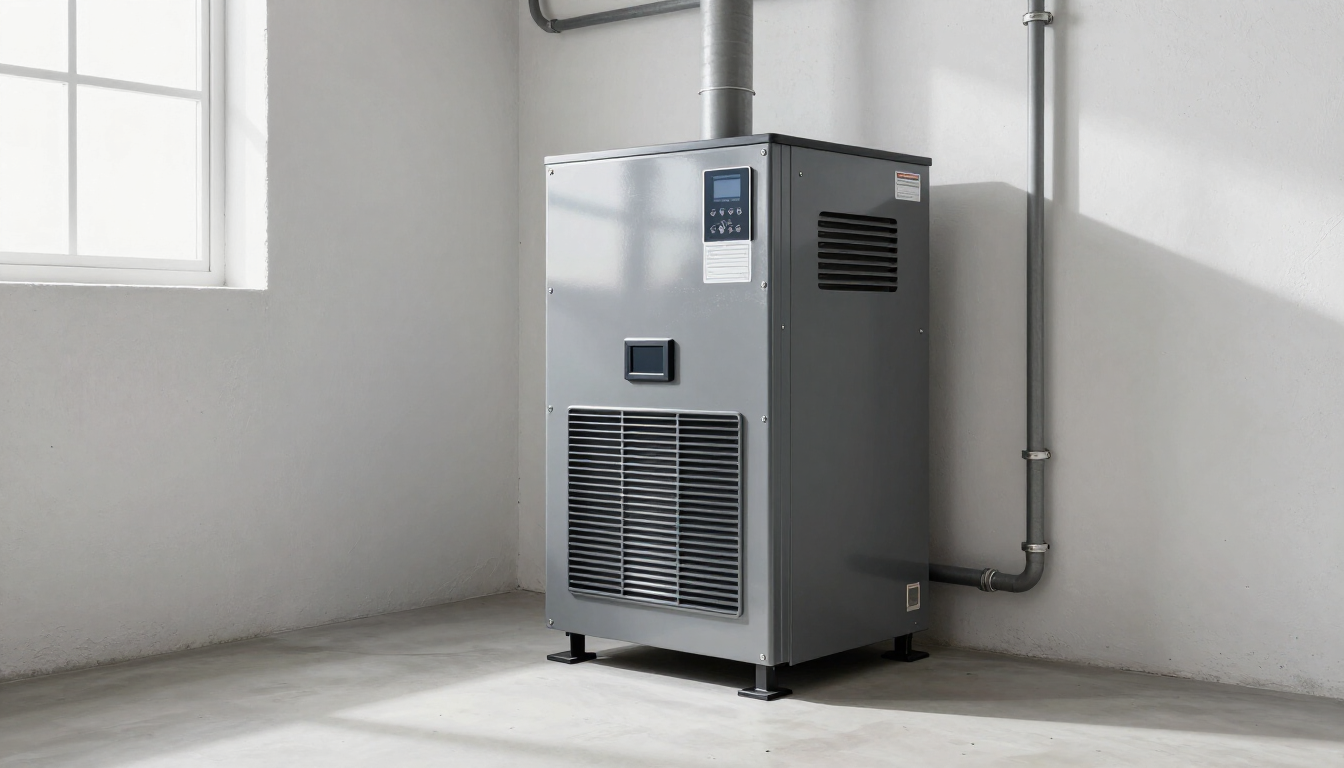
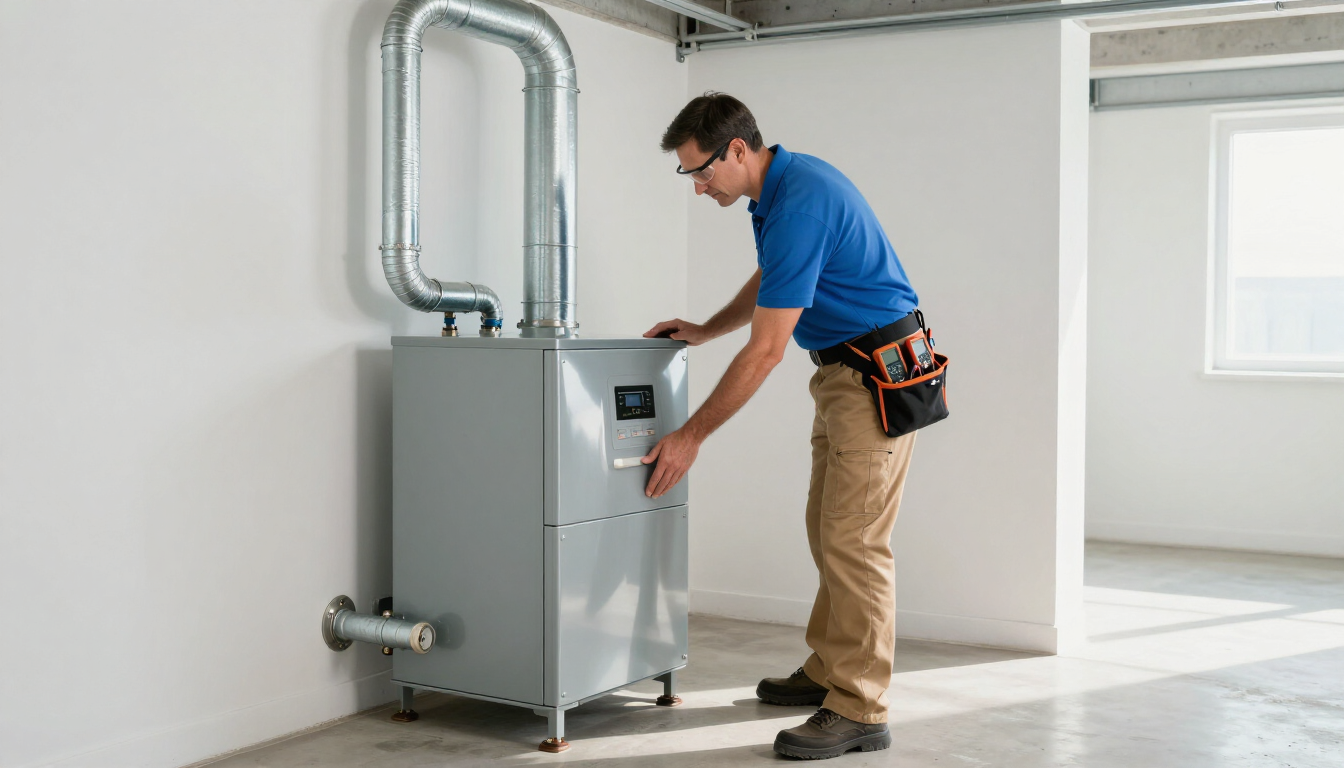
Make sure nothing is stored directly against your indoor air handler or furnace. Boxes, old furniture, and seasonal storage can restrict airflow and even become a fire hazard near heating equipment. Keep the area clear and make sure the condensate drain line isn't clogged (a sign of this is water pooling around the base of the unit).
10. Know When It's Time to Replace
Even a well-maintained system has a lifespan. Most HVAC systems last 15–20 years. If yours is approaching that range and you're calling for repairs more than once a year, it may be more cost-effective to invest in a new, energy-efficient system than to keep patching the old one.
Modern systems are significantly more efficient than models from even 10 years ago — meaning lower monthly bills and better comfort year-round.